Dead Loss Angeles, May-19

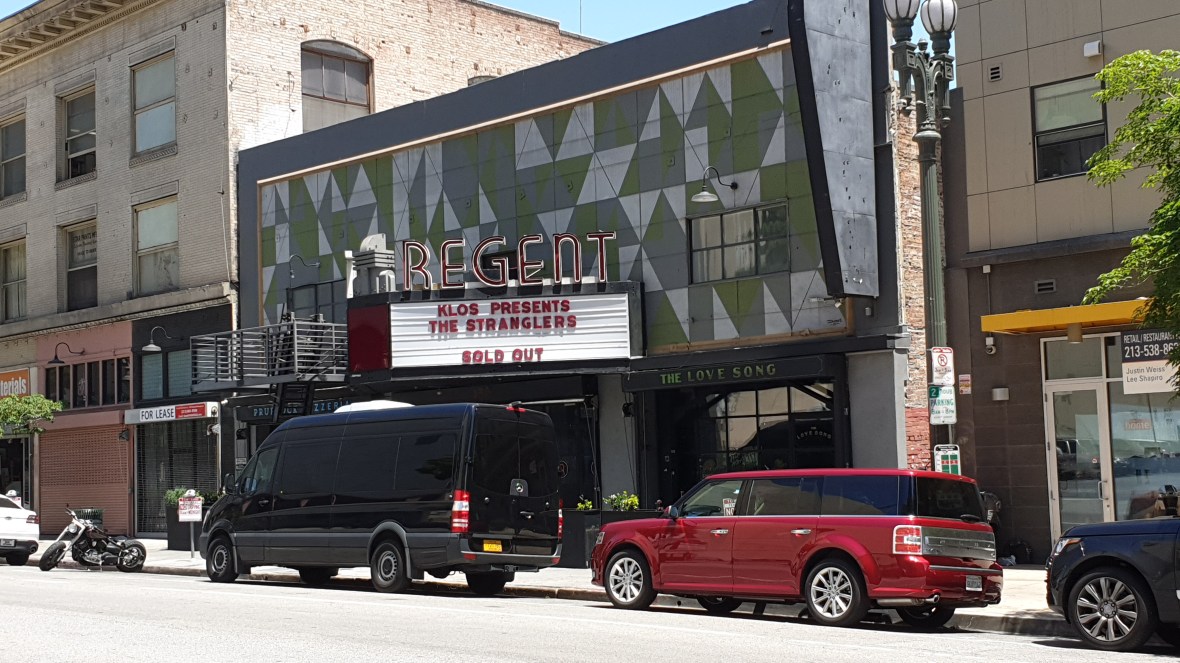
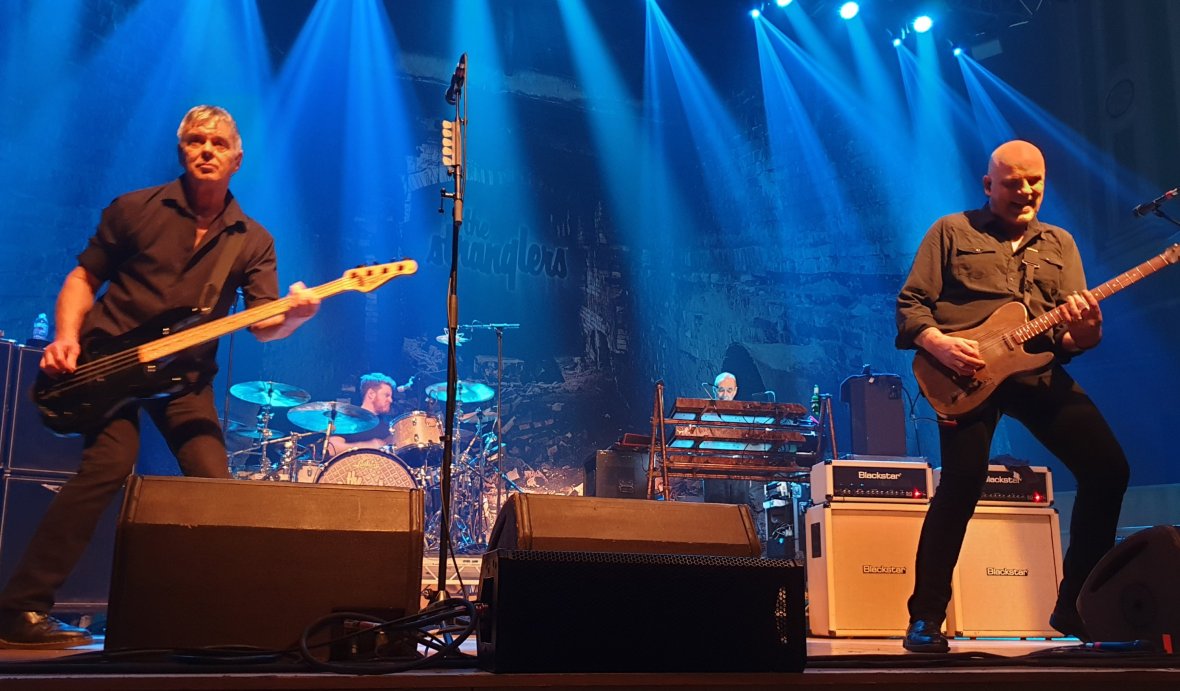
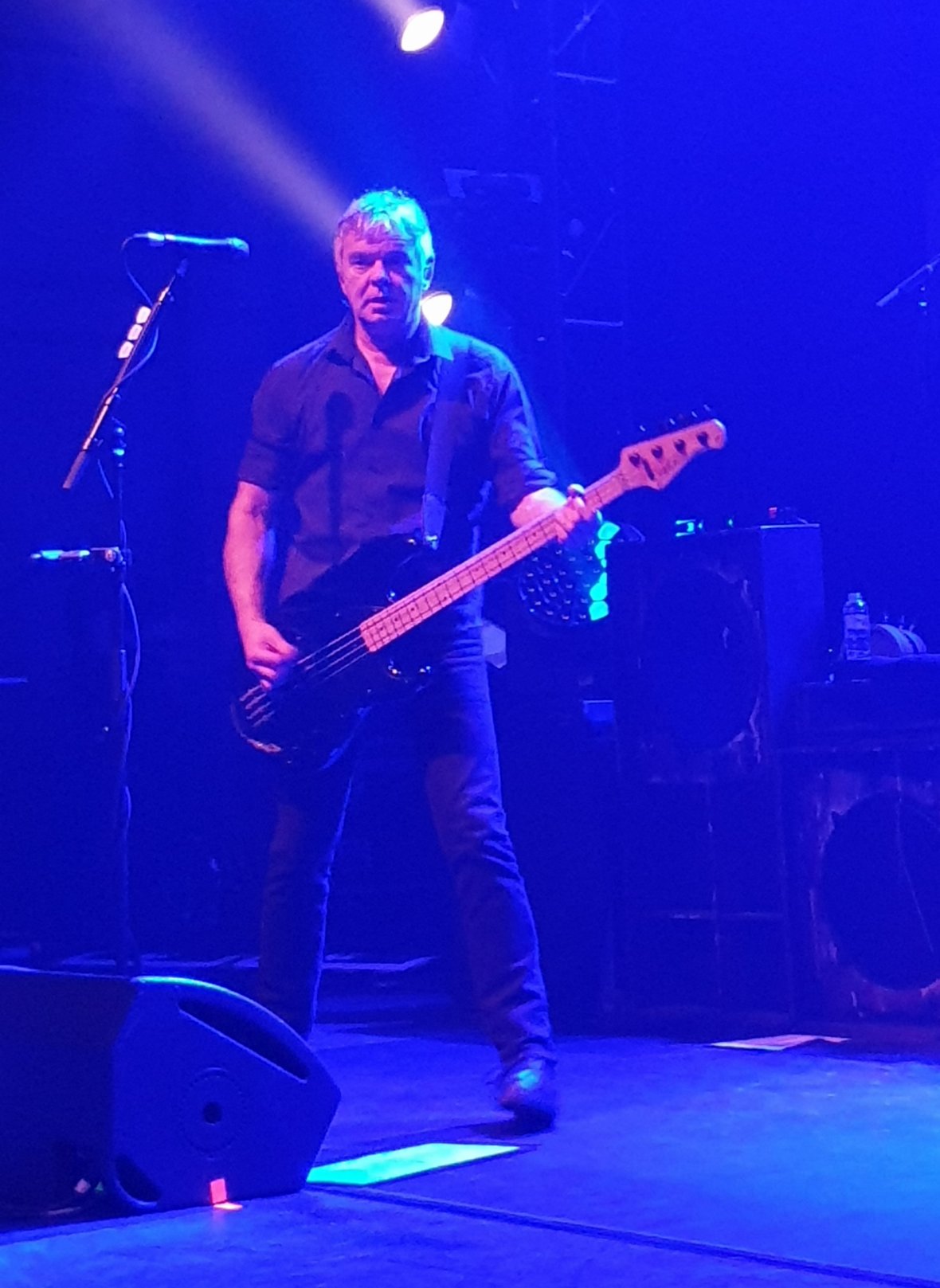
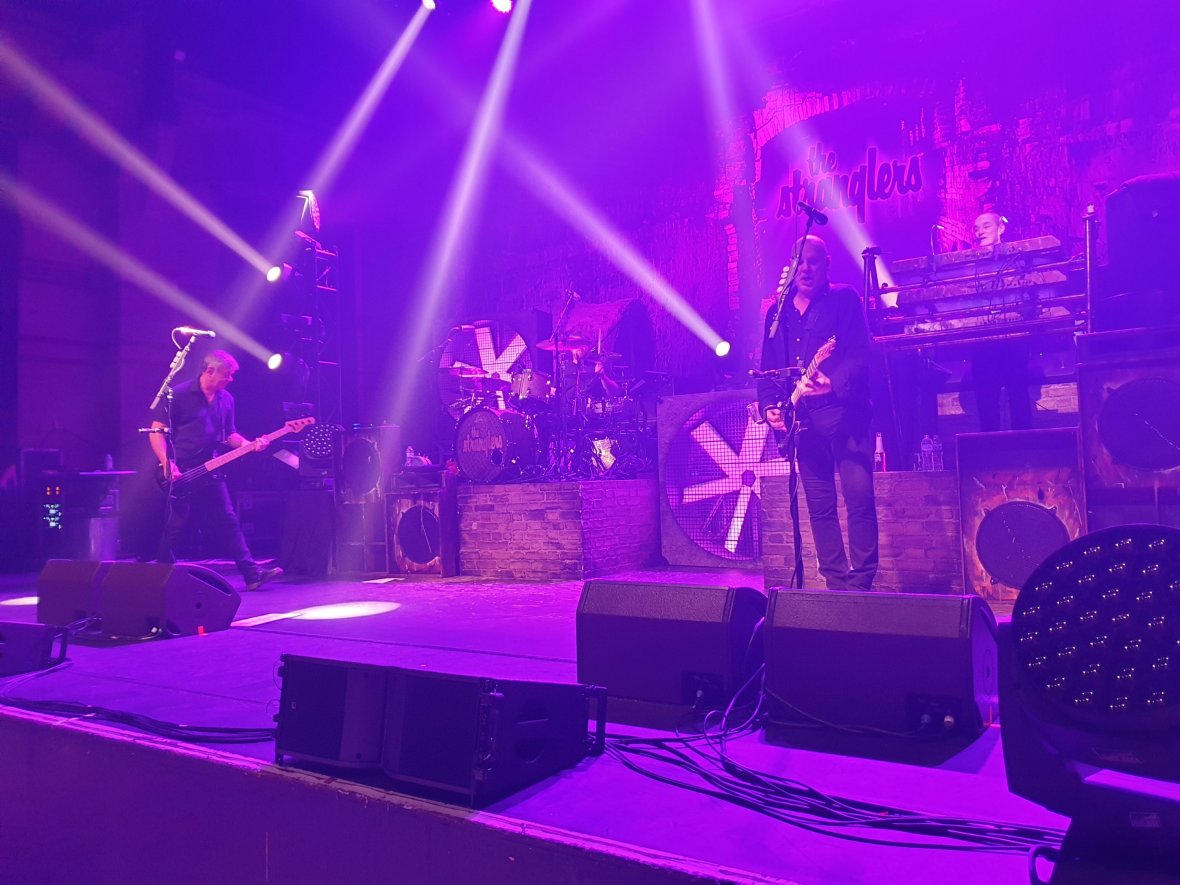
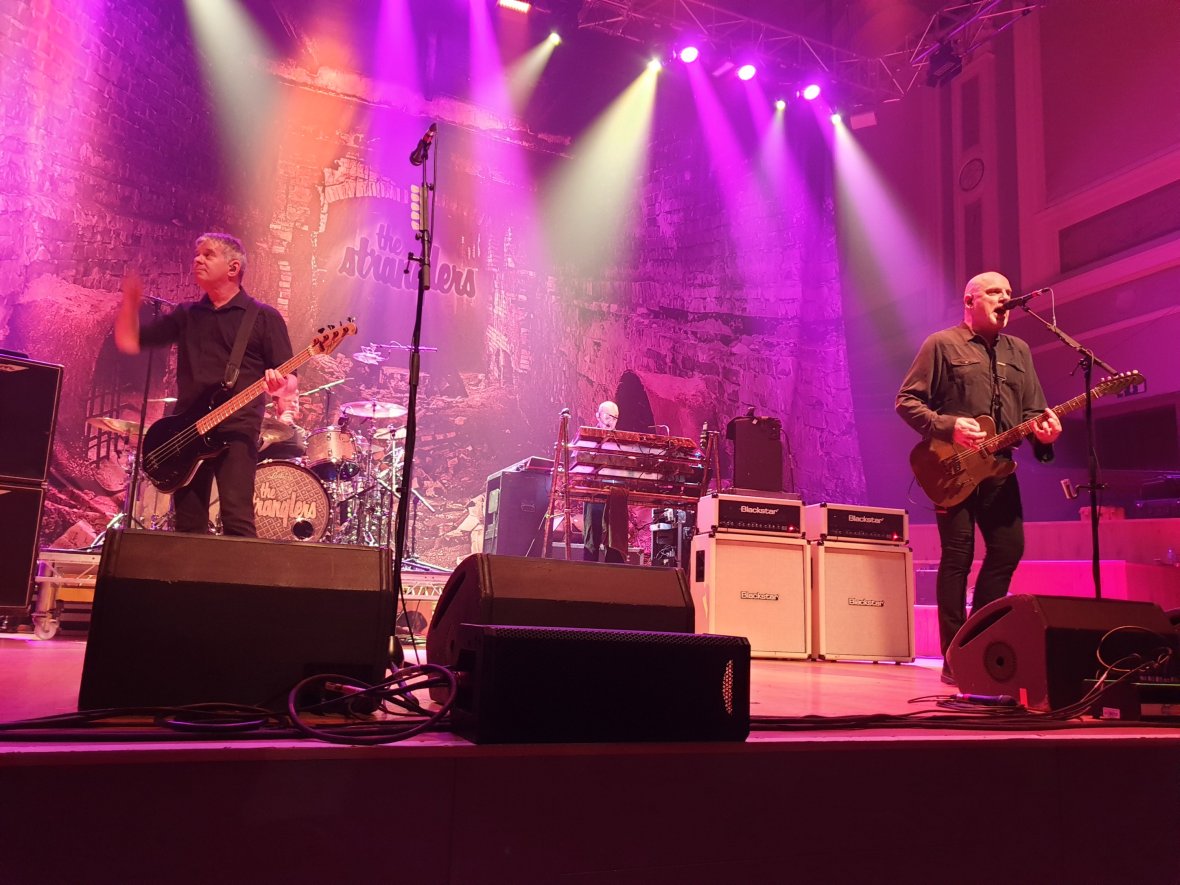
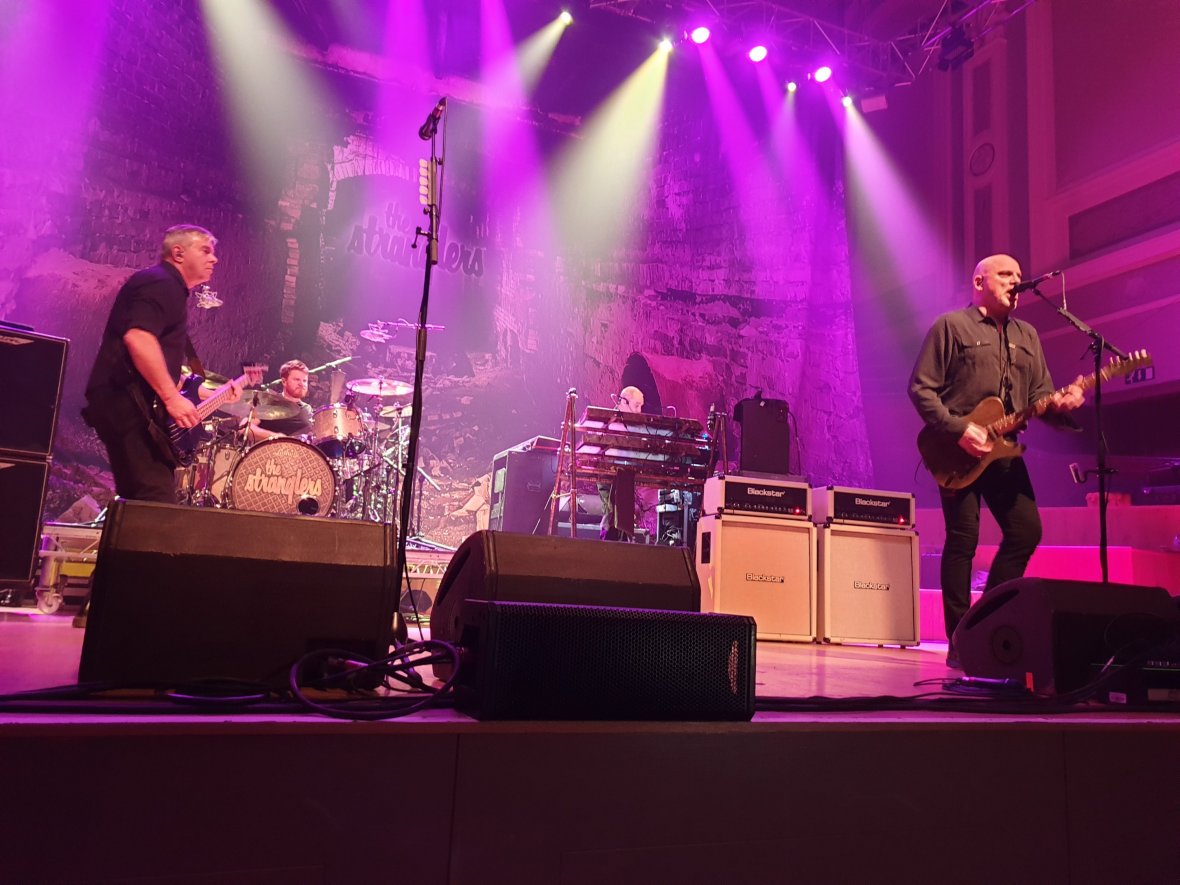
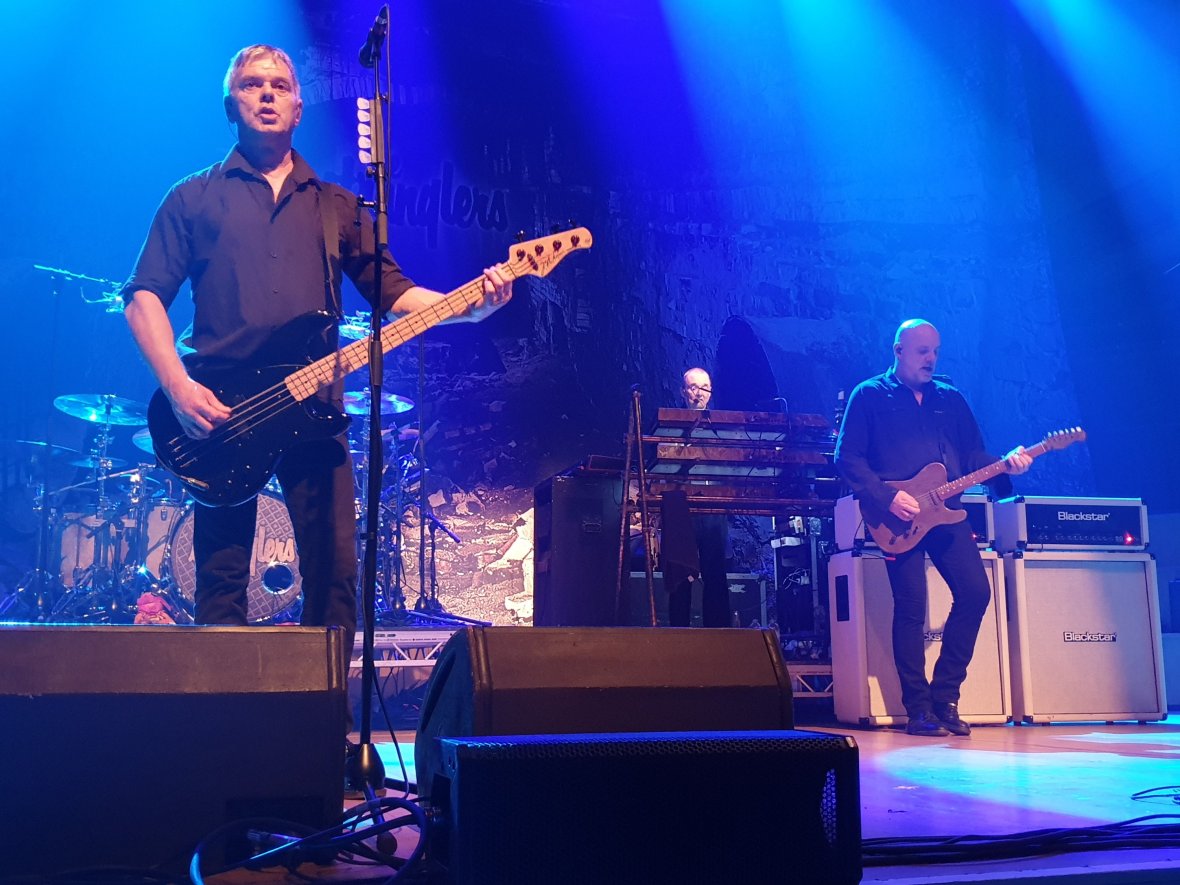
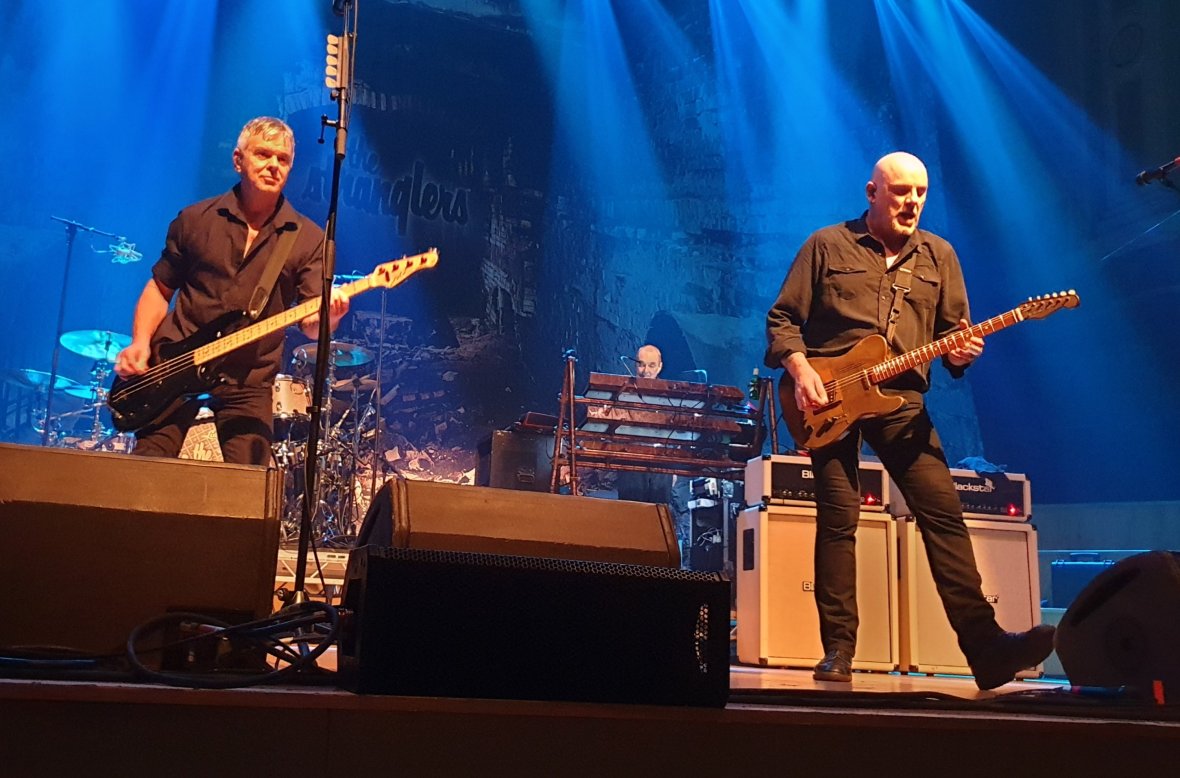
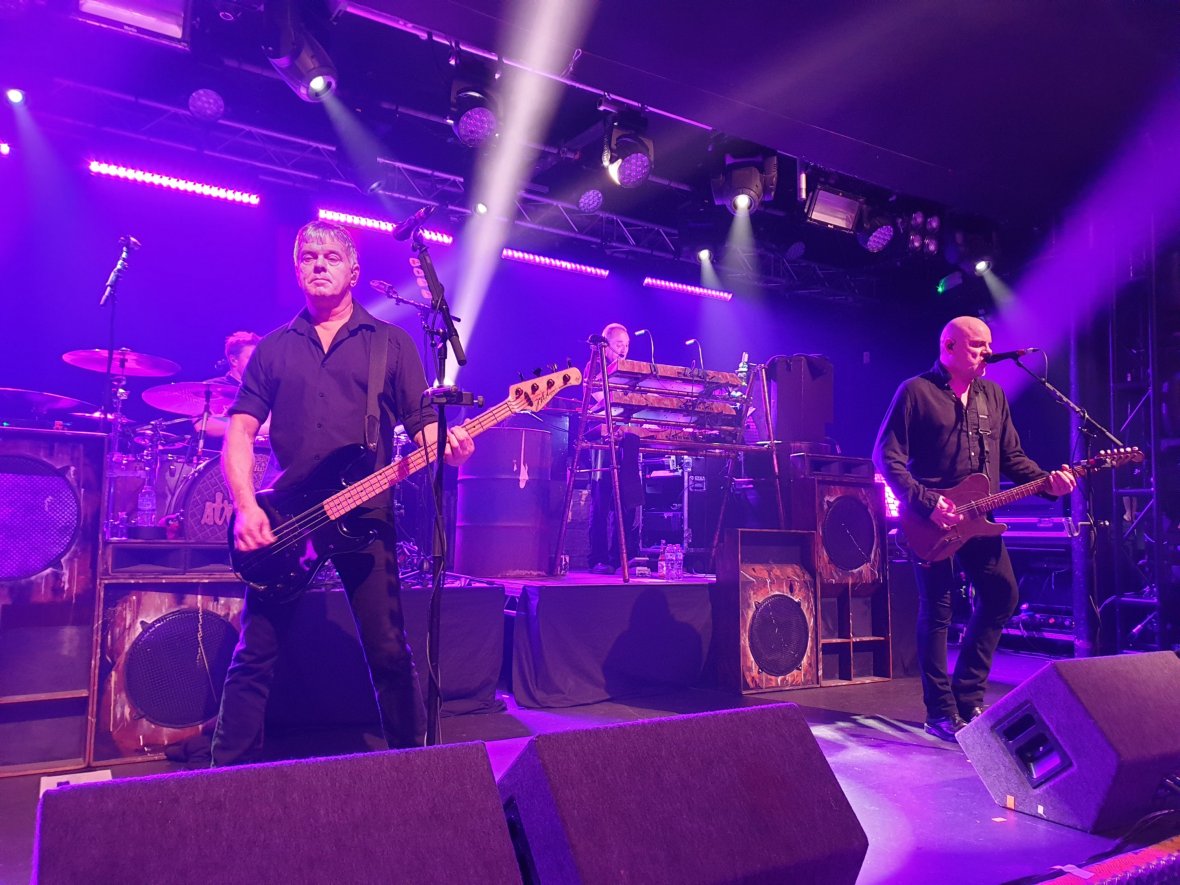
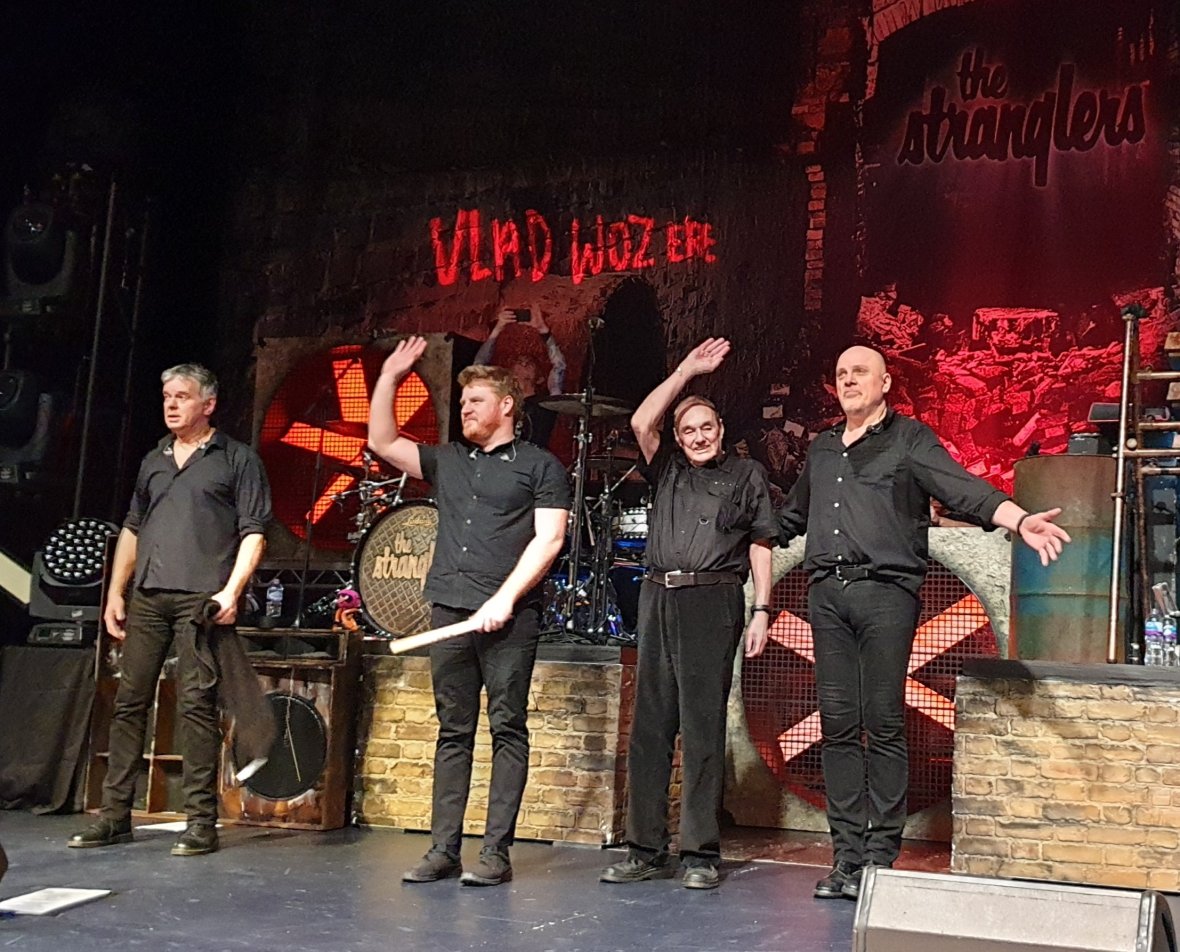
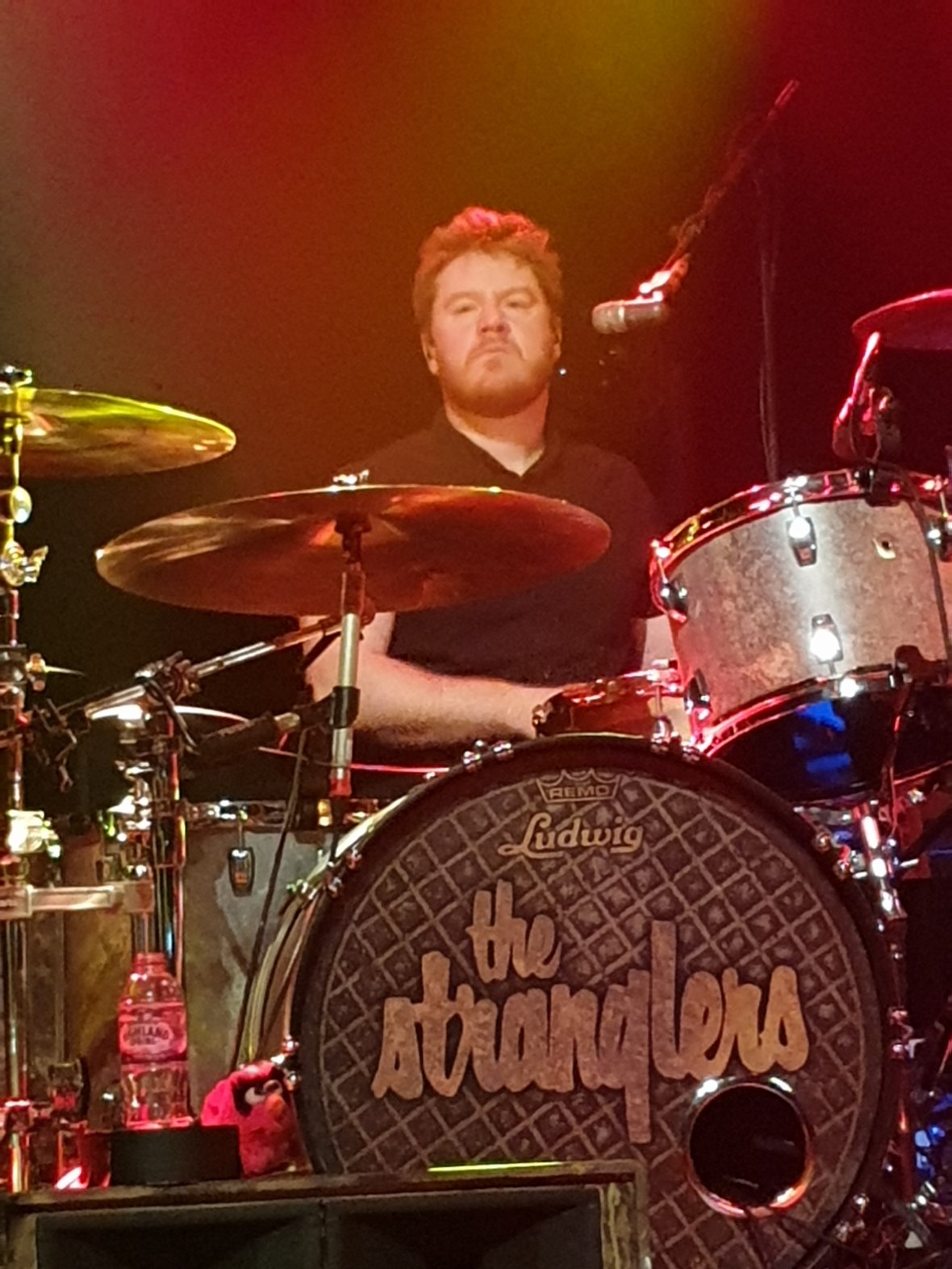
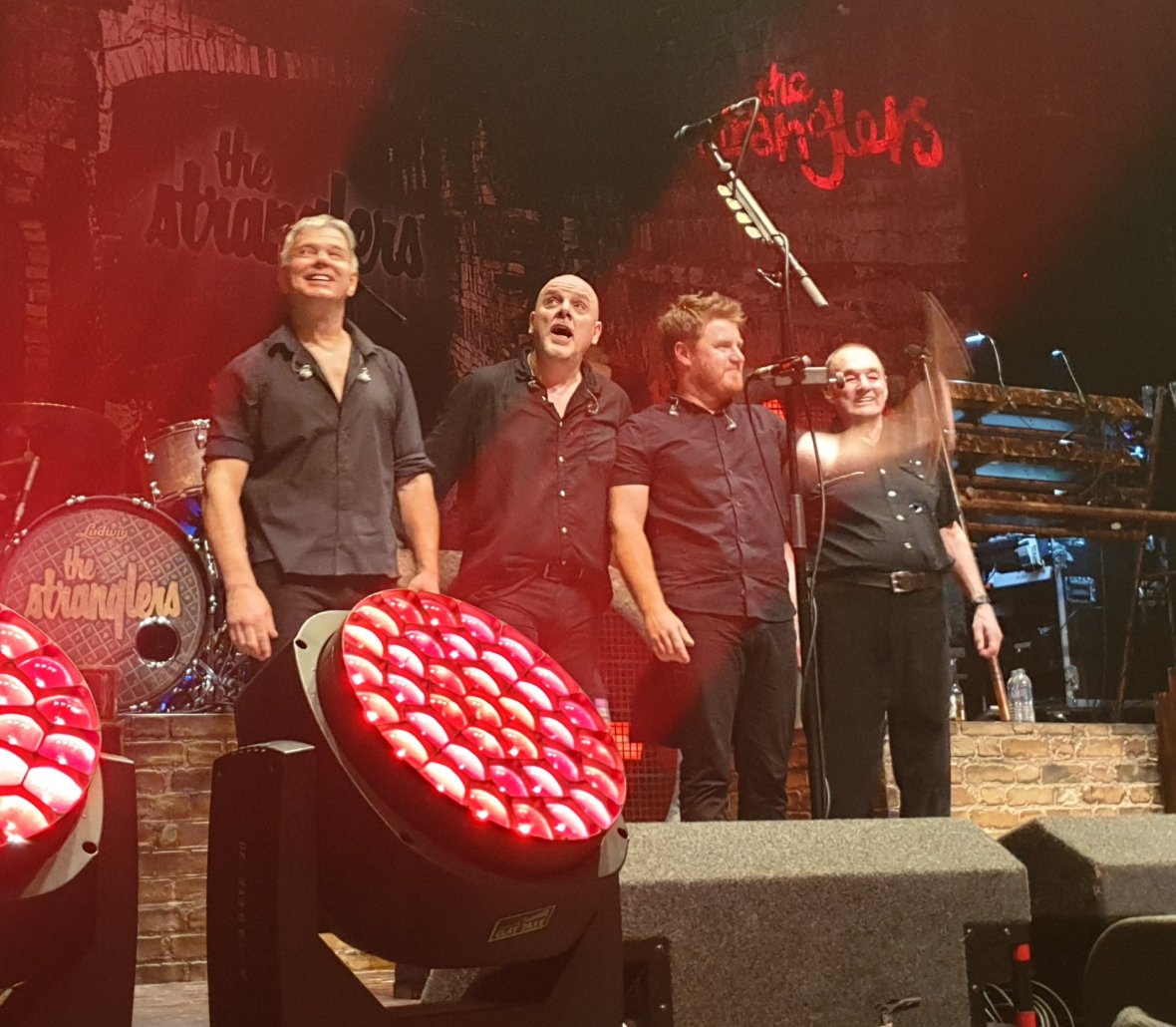
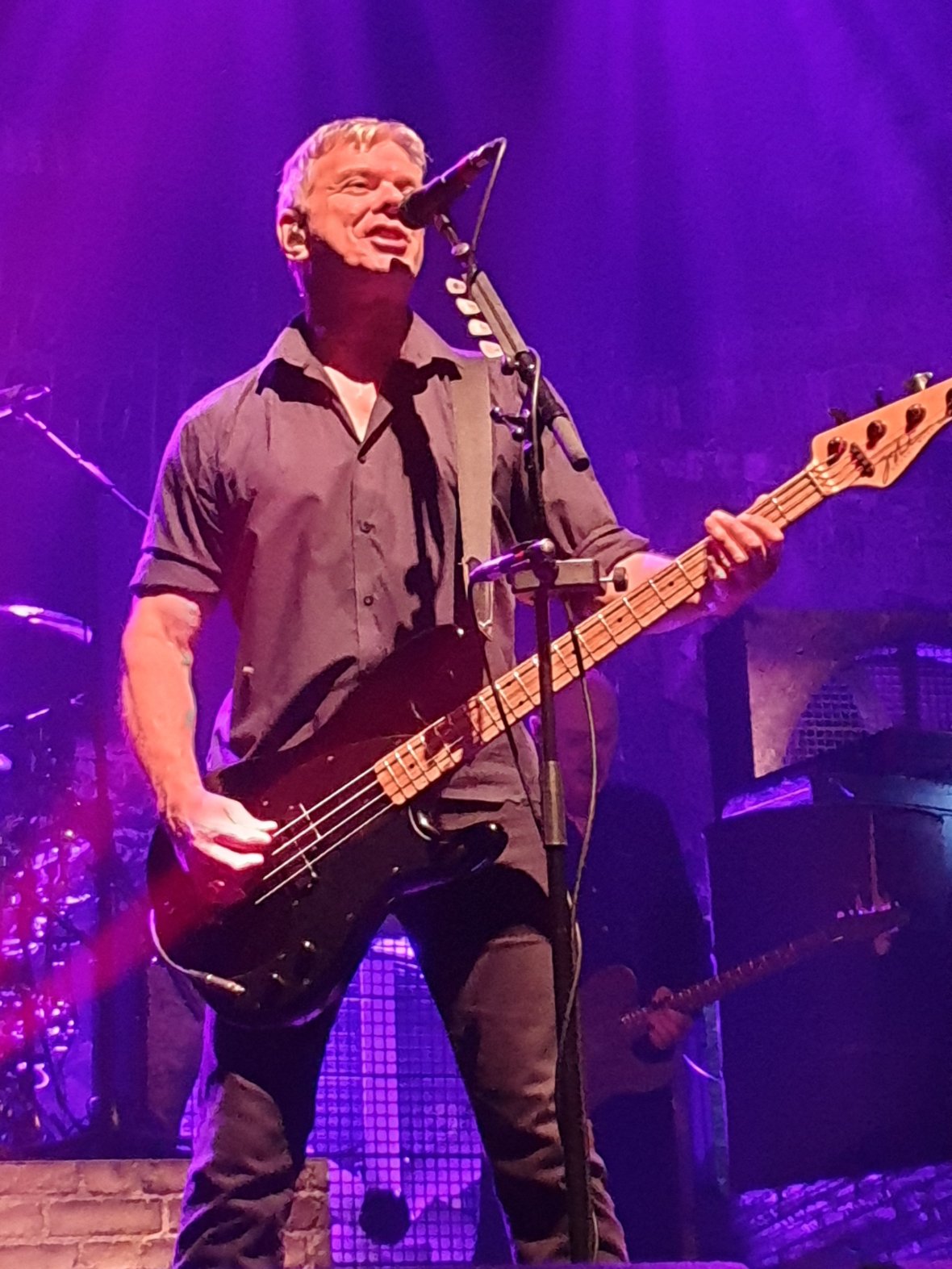
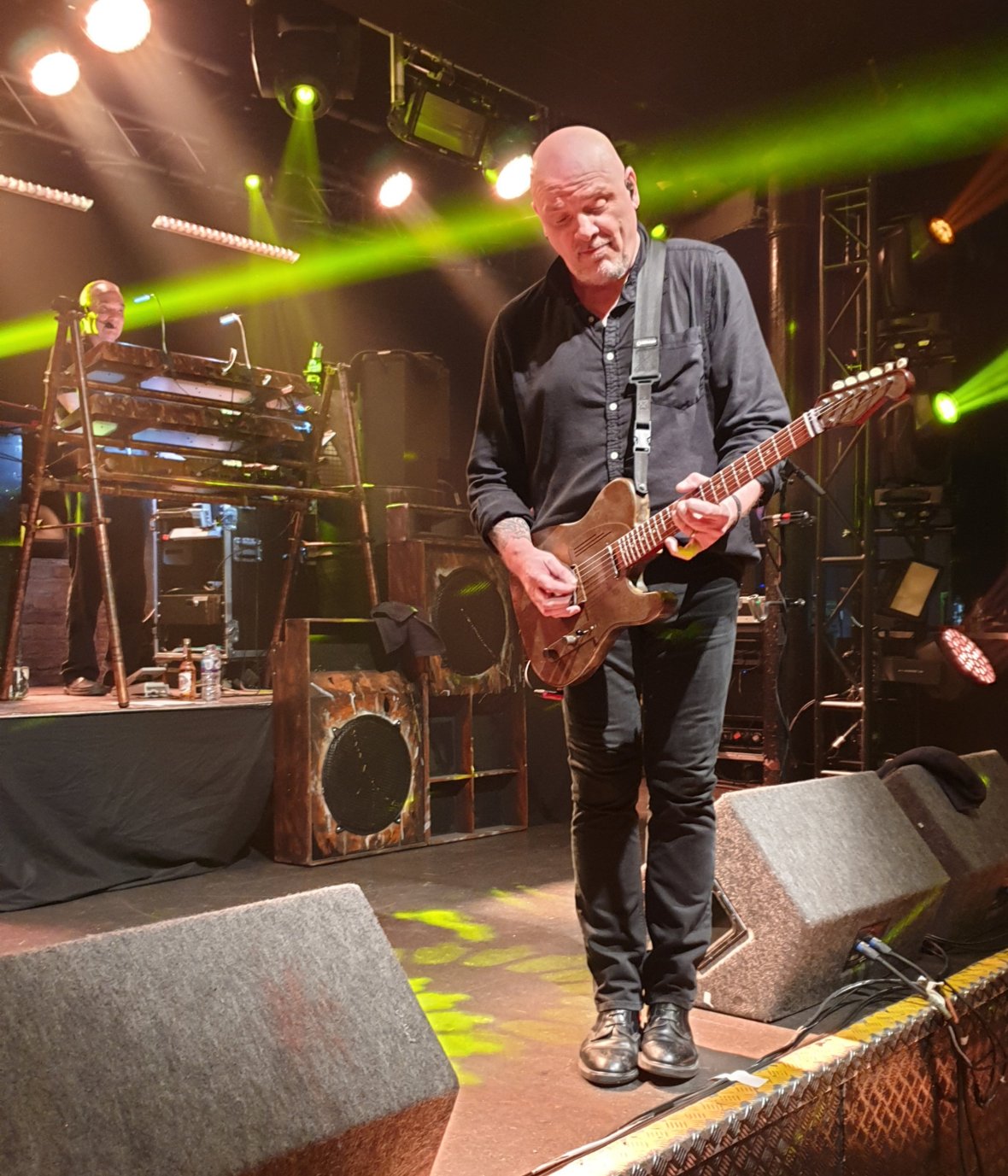
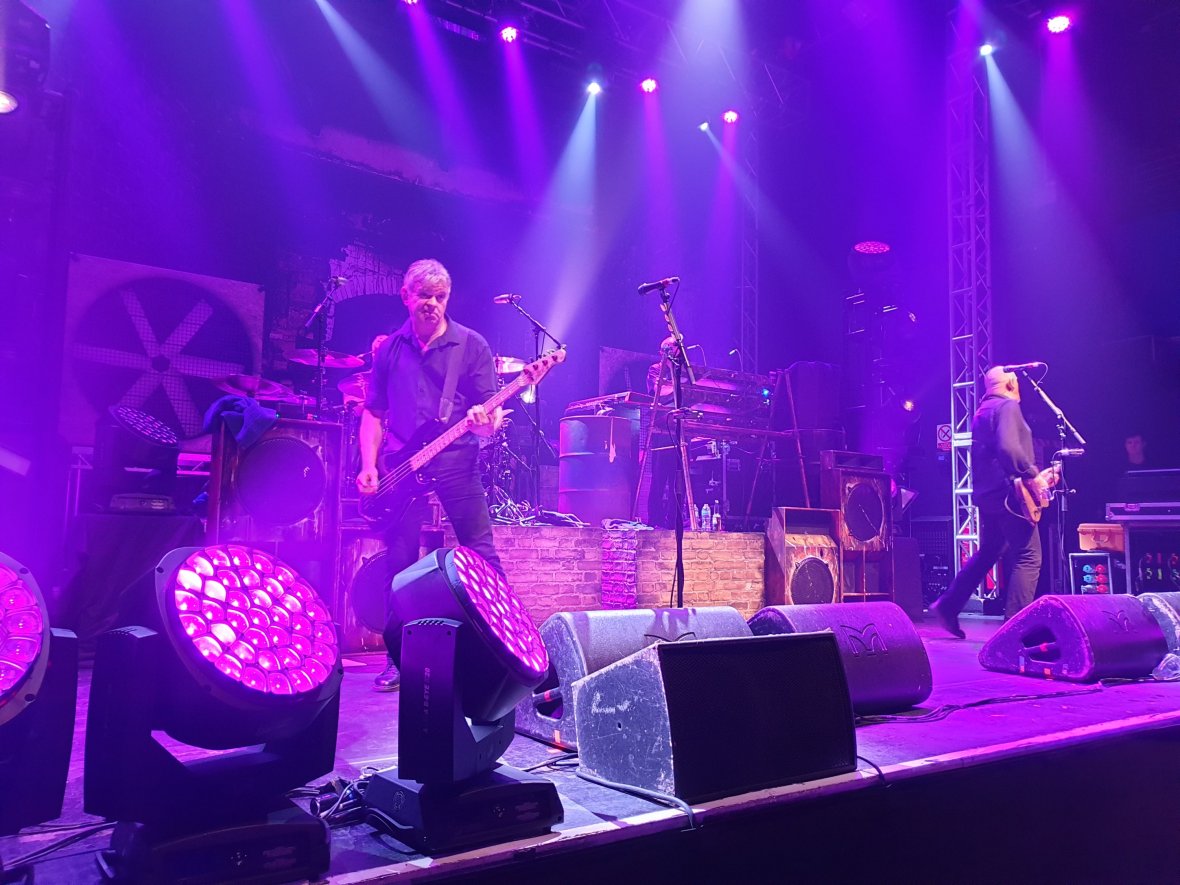
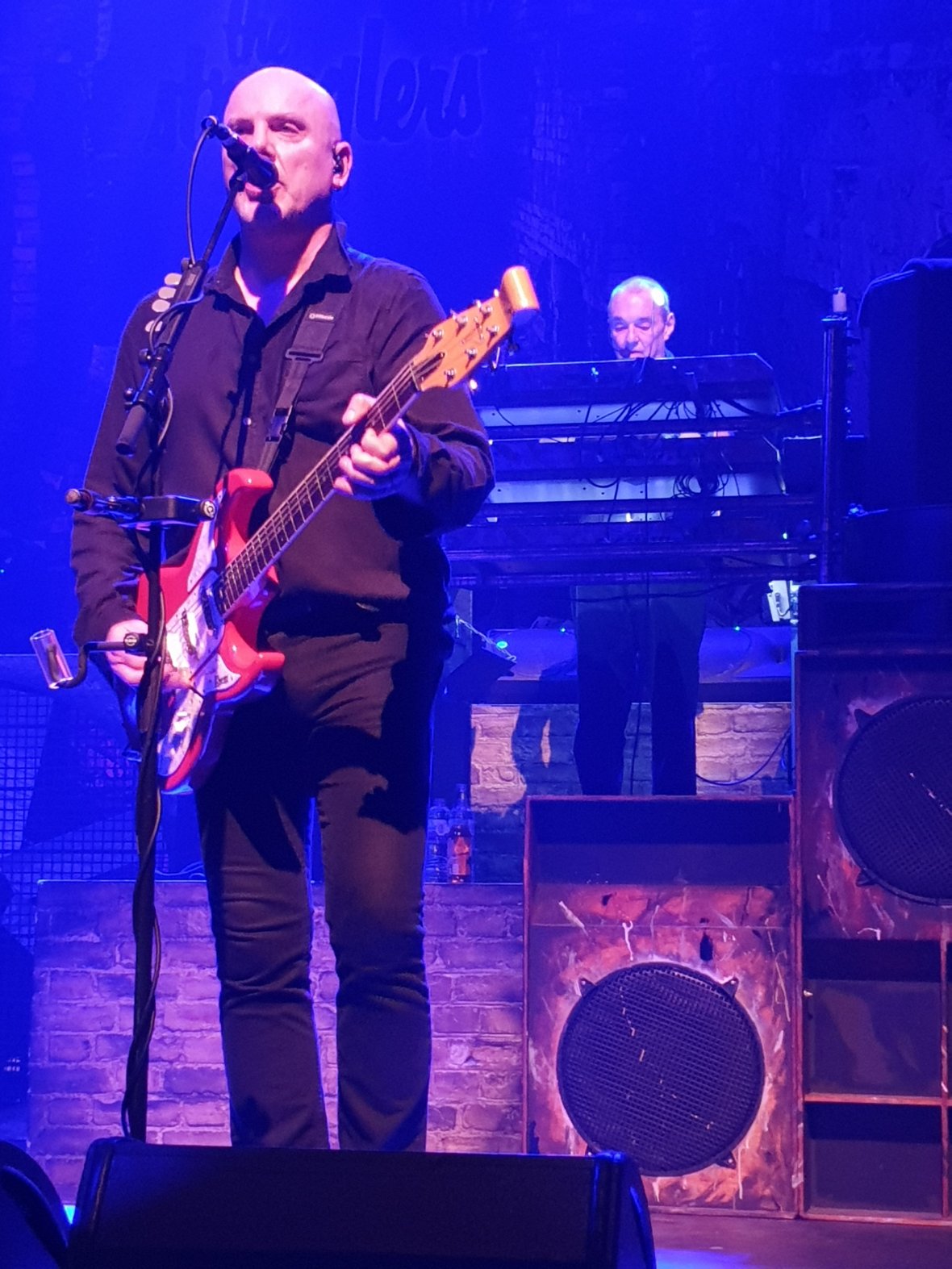
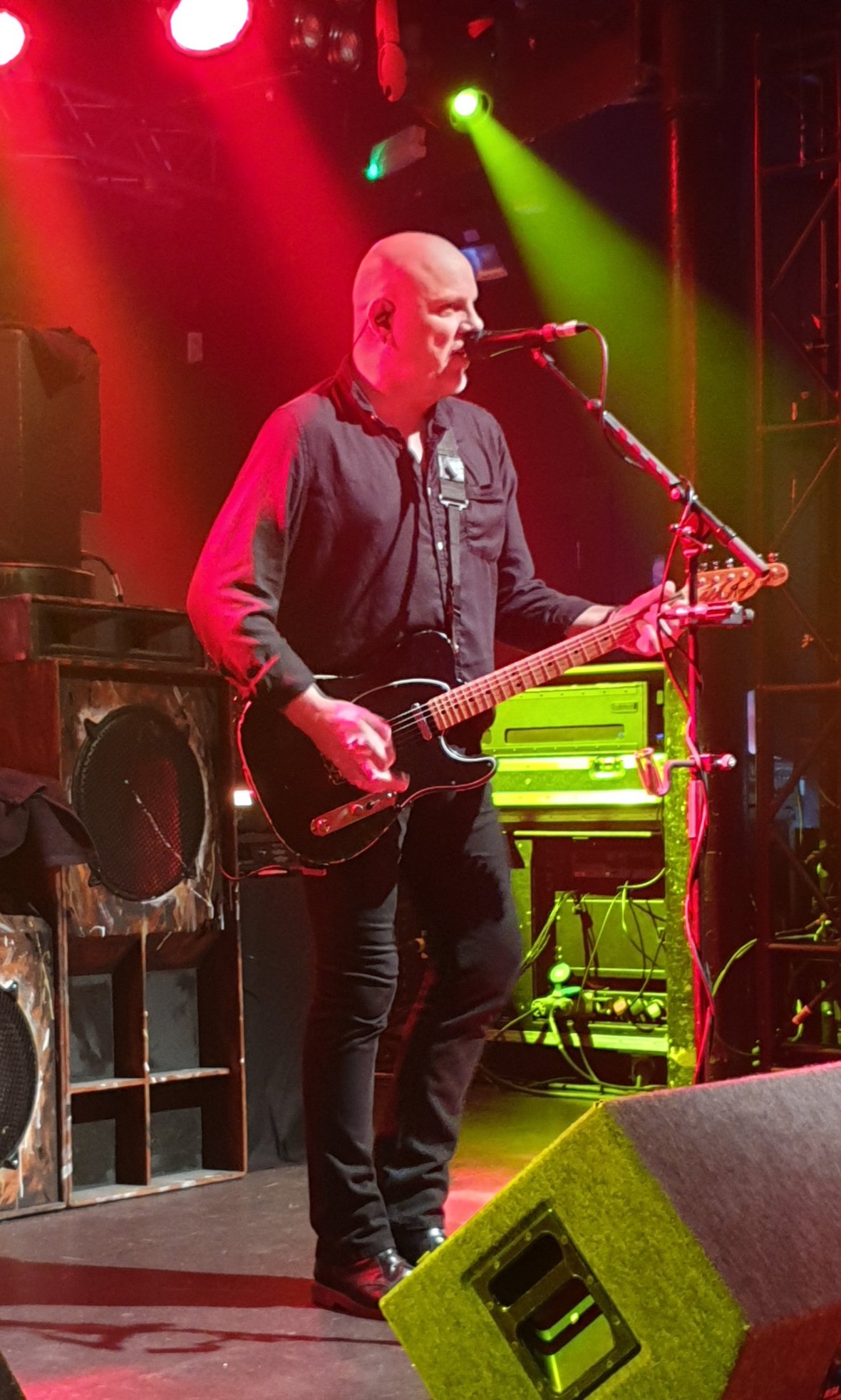
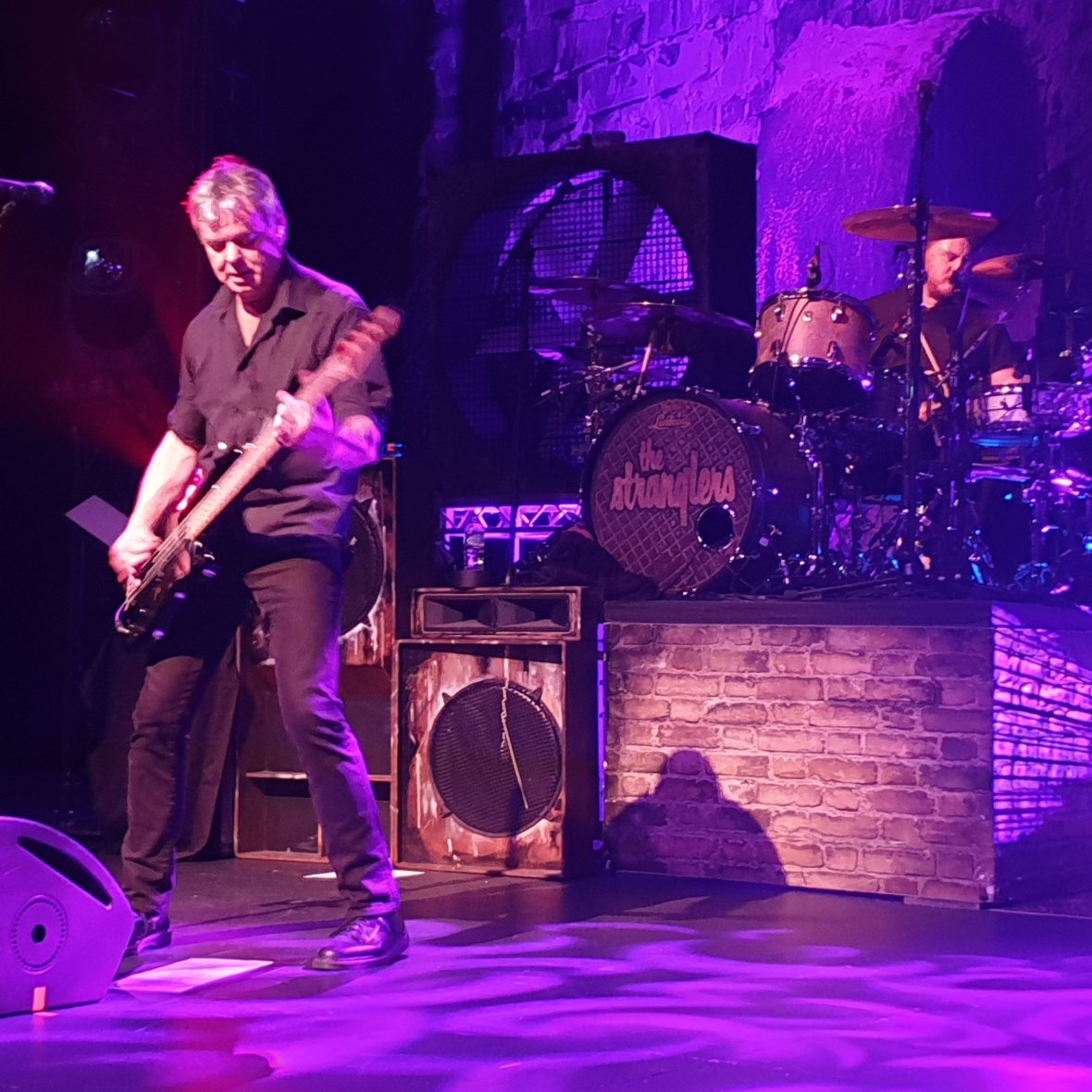
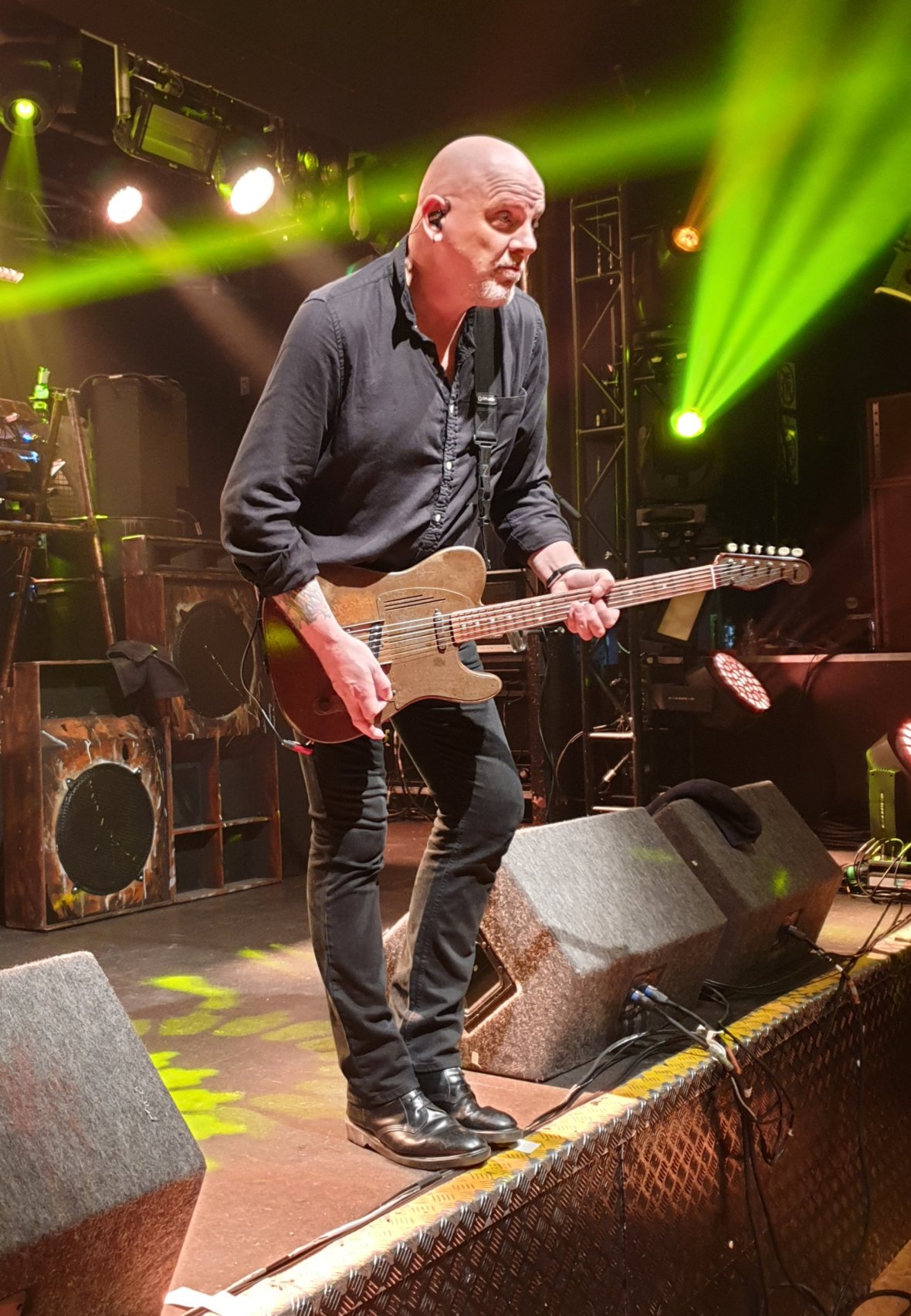
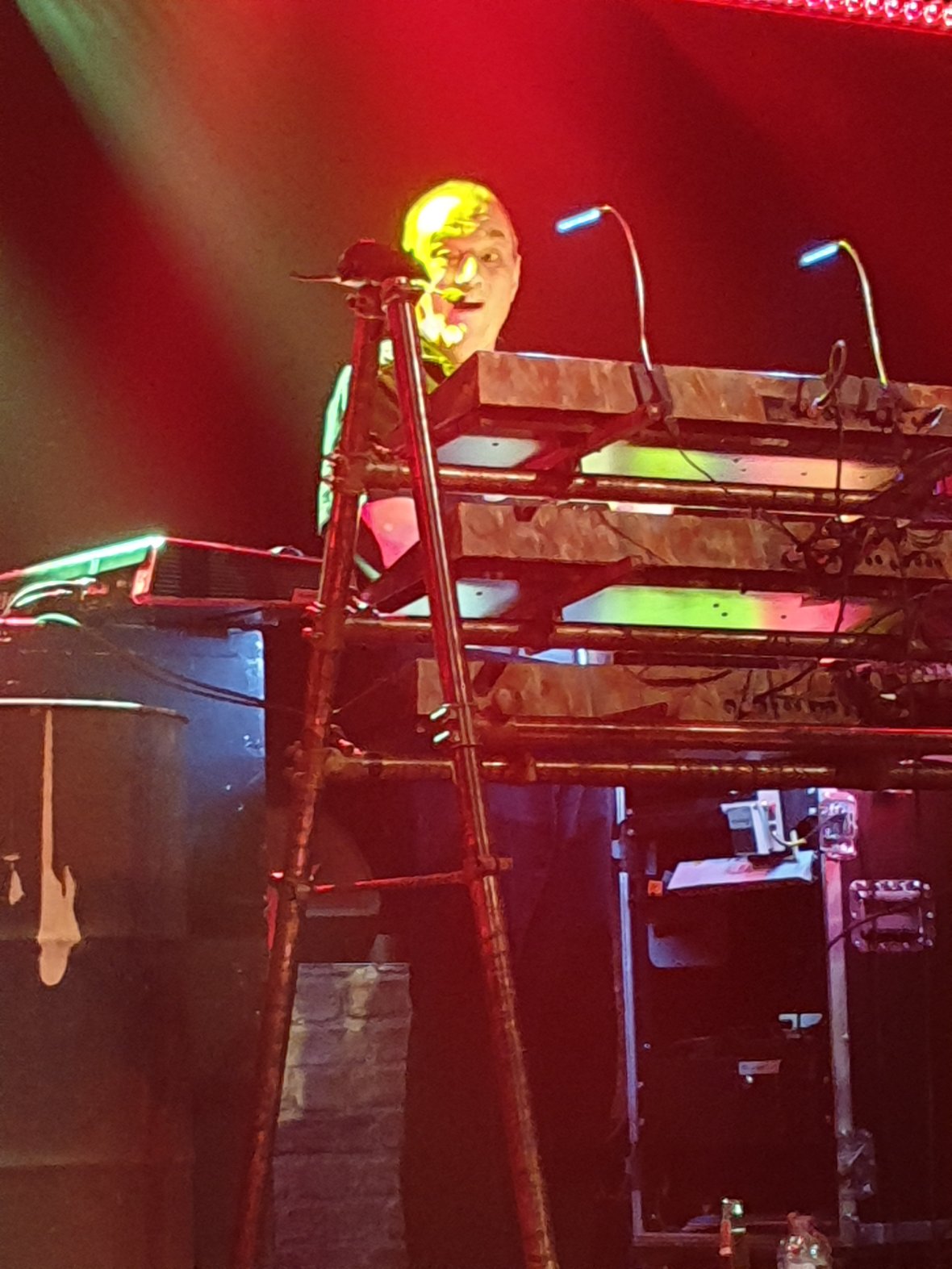
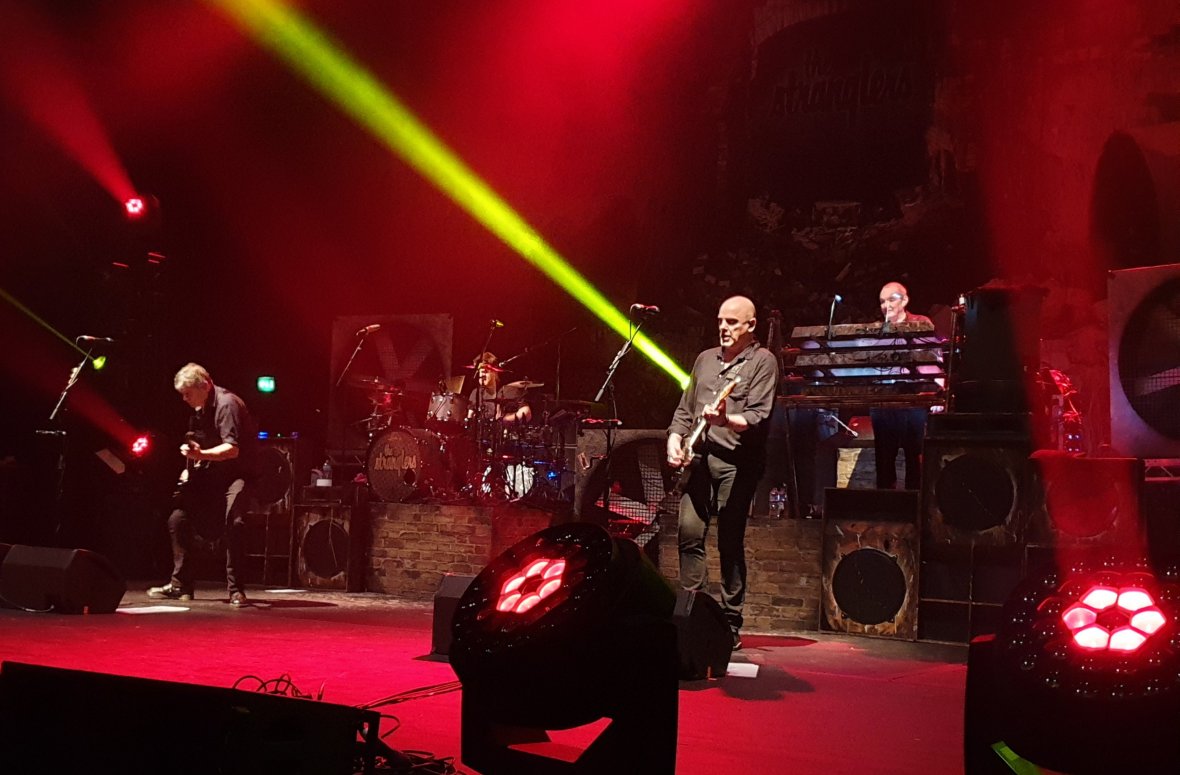
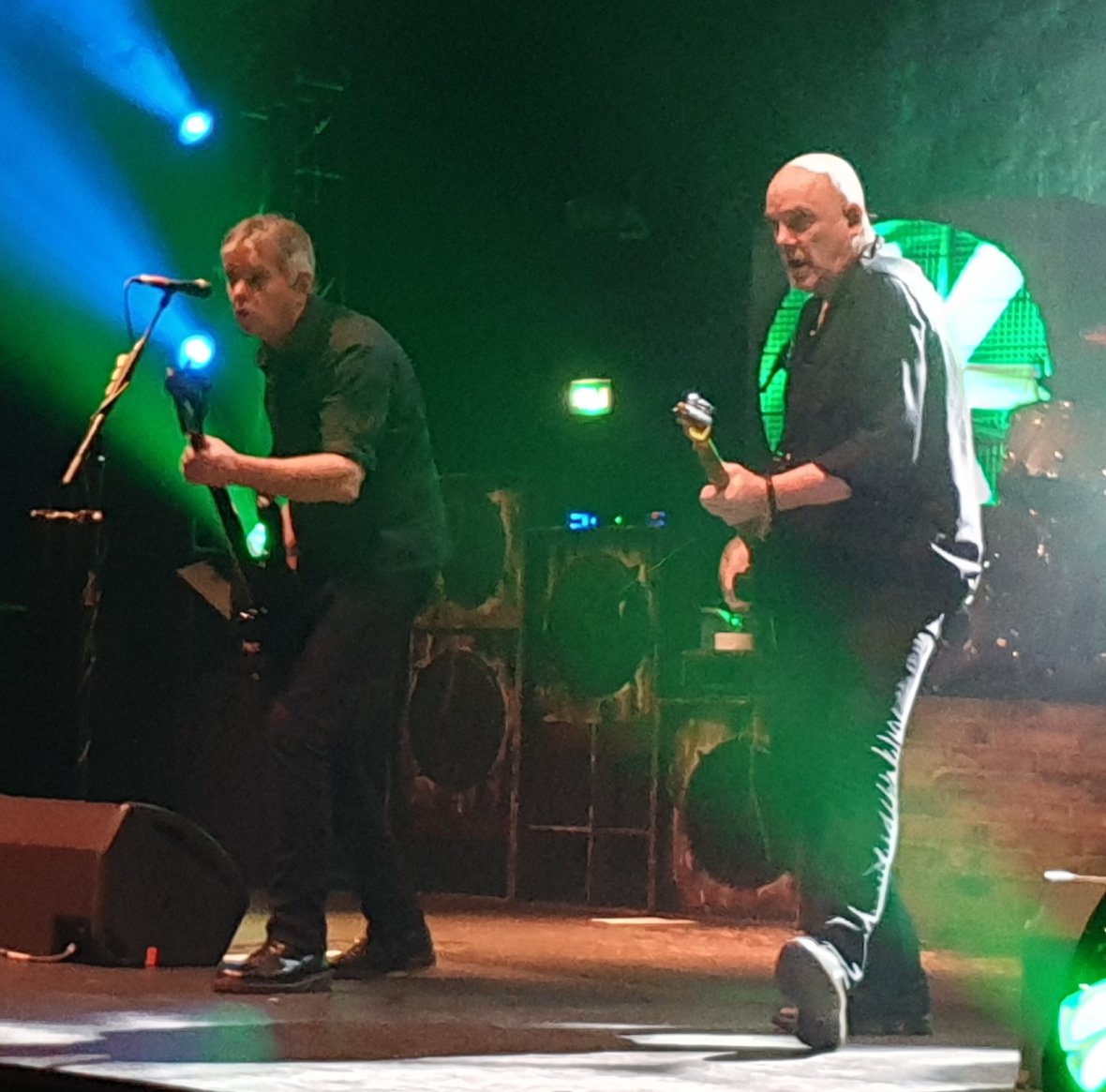
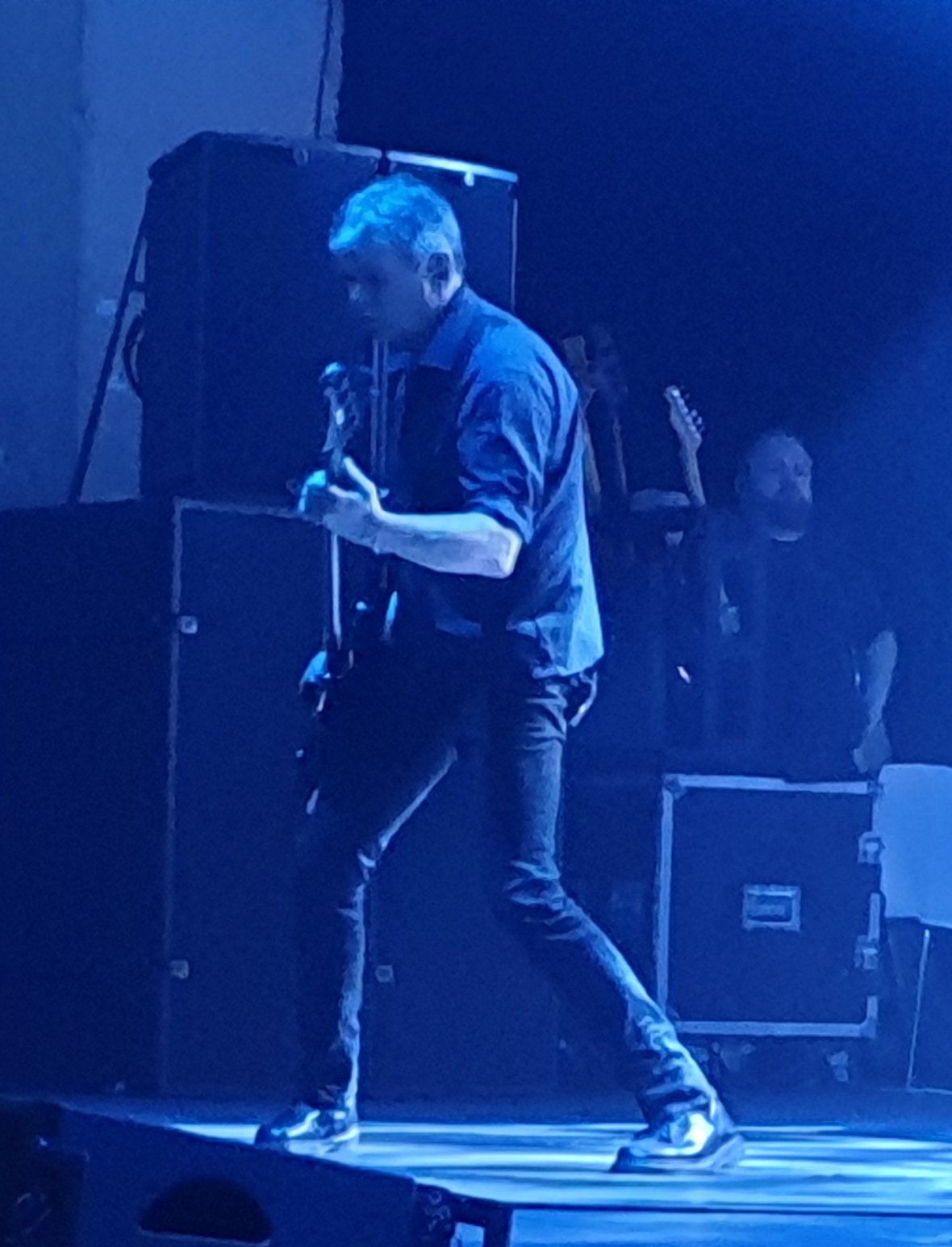
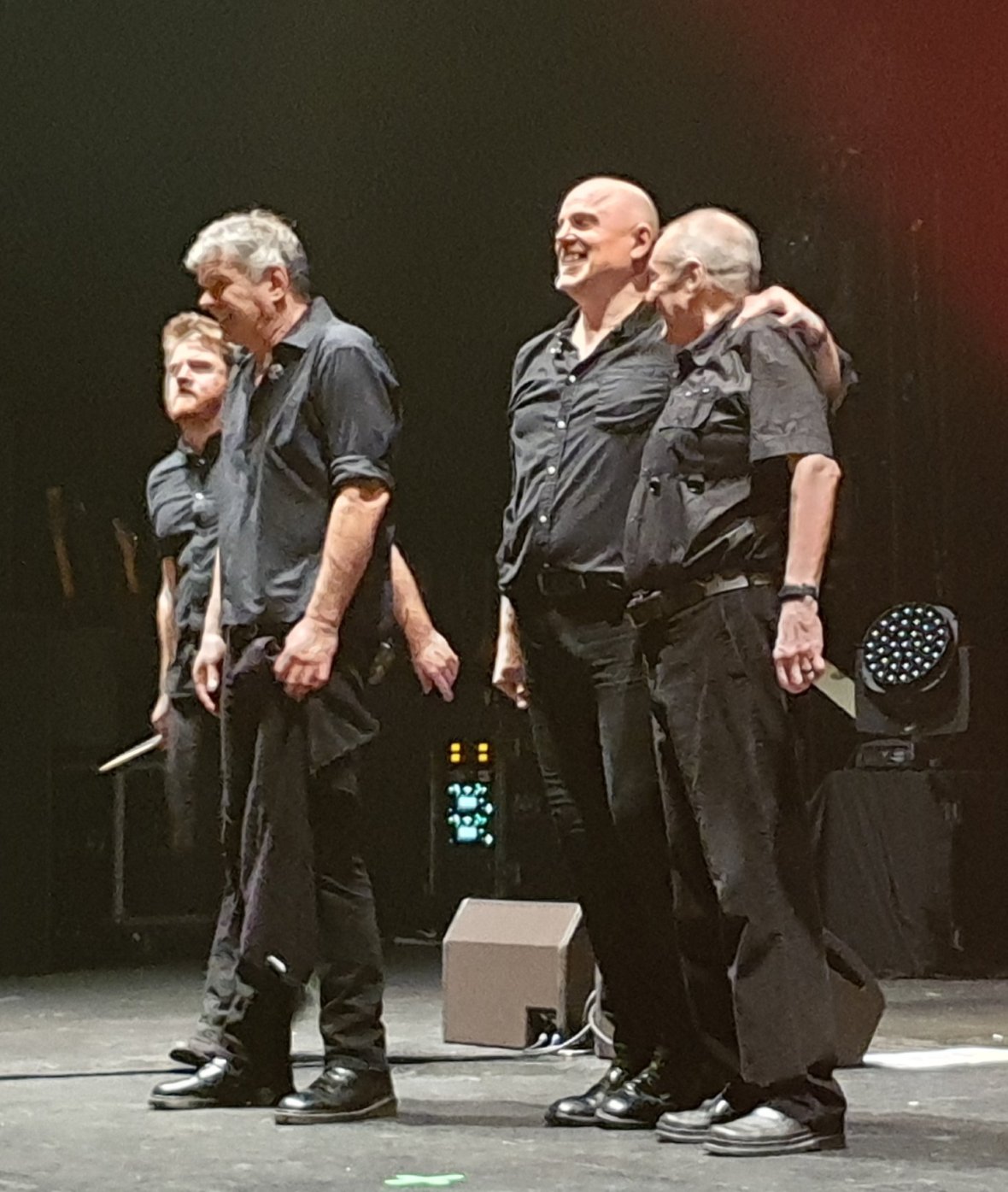
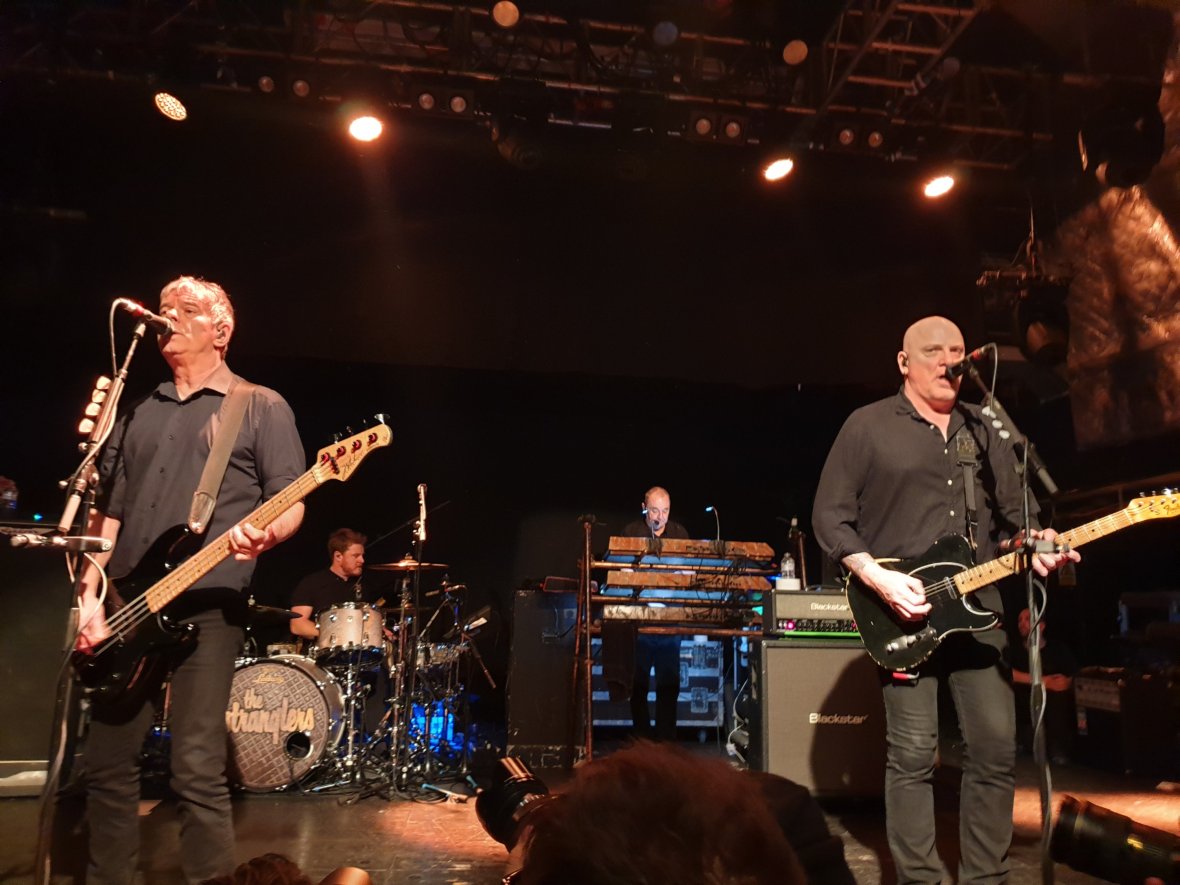
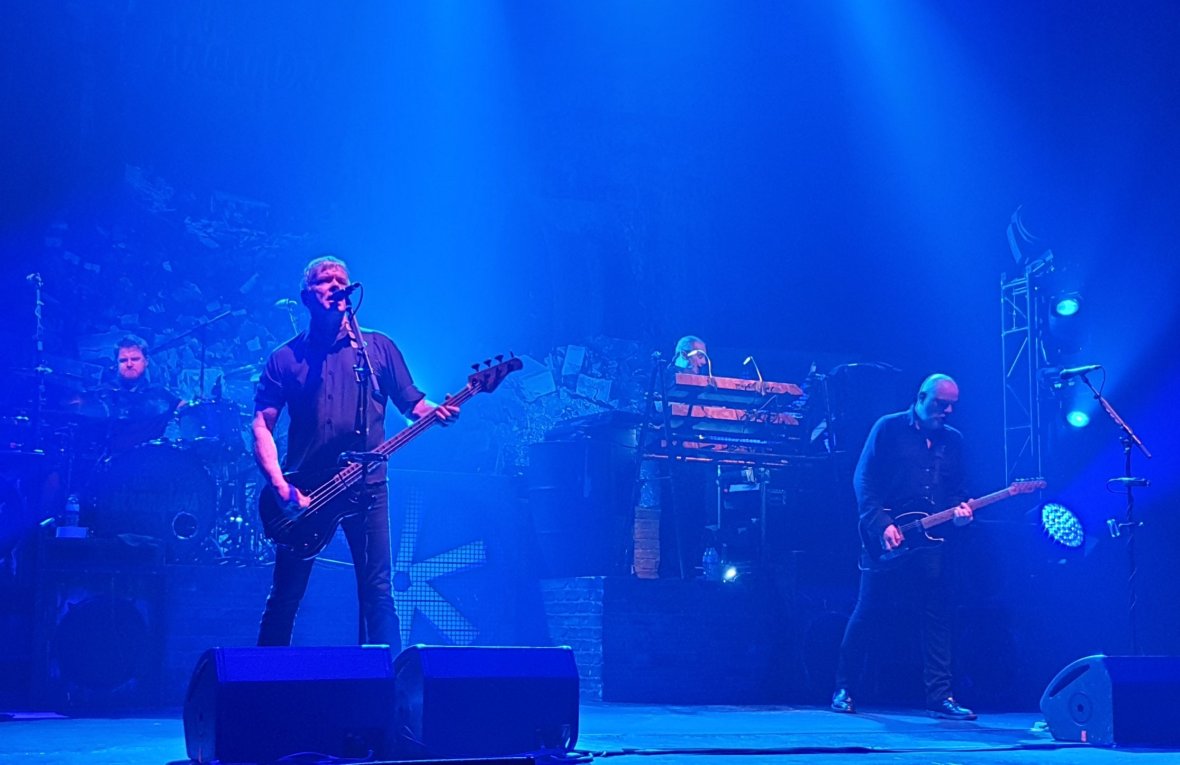
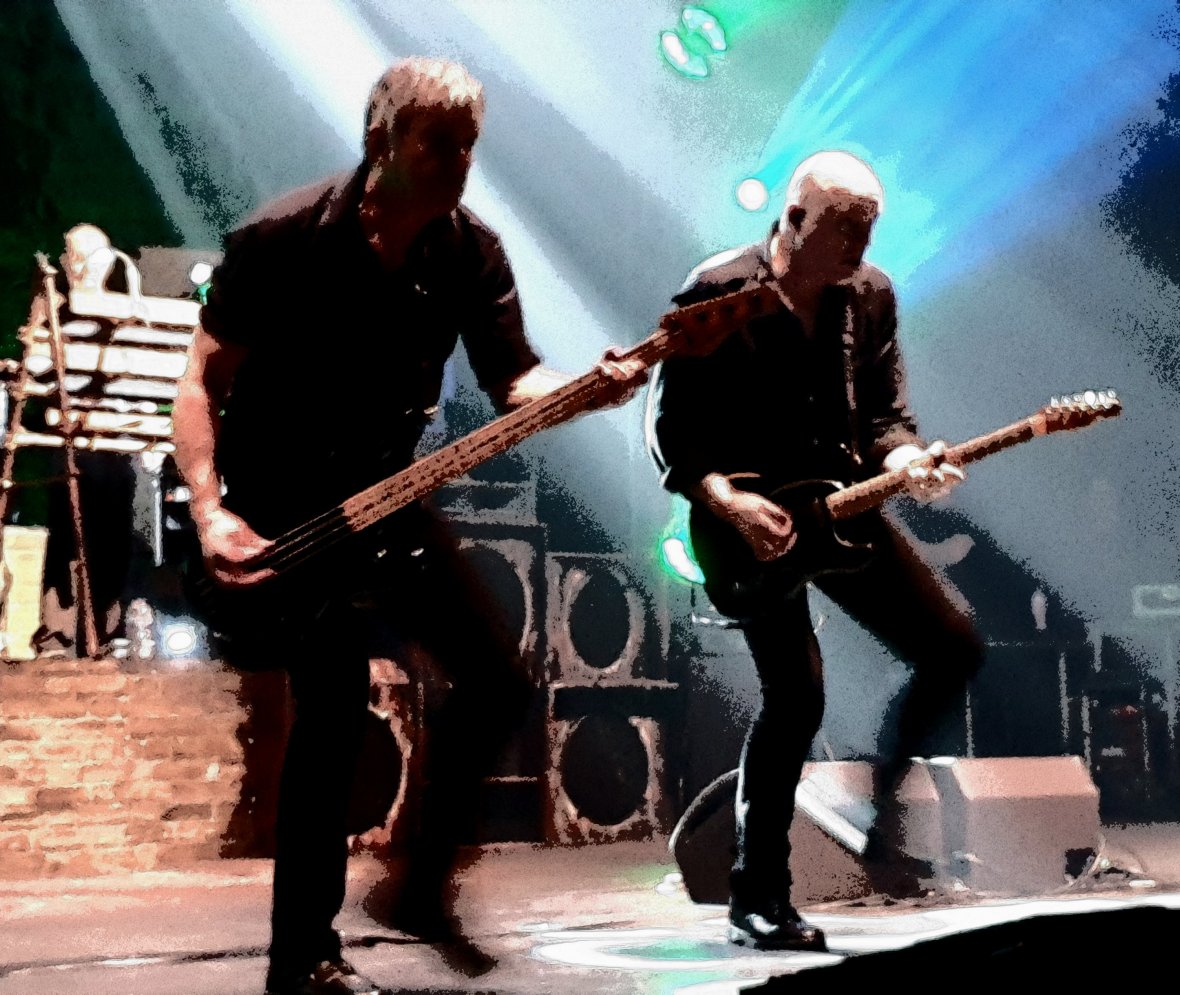
From Saufend Pier in March to Santa Monica and Venice Beach in May, pack your bucket and spade along with the earplugs. Photos from the sell-out concert at the Regent Theatre, Los Angeles on 29th May, 2019 and an eclectic tourist trail.

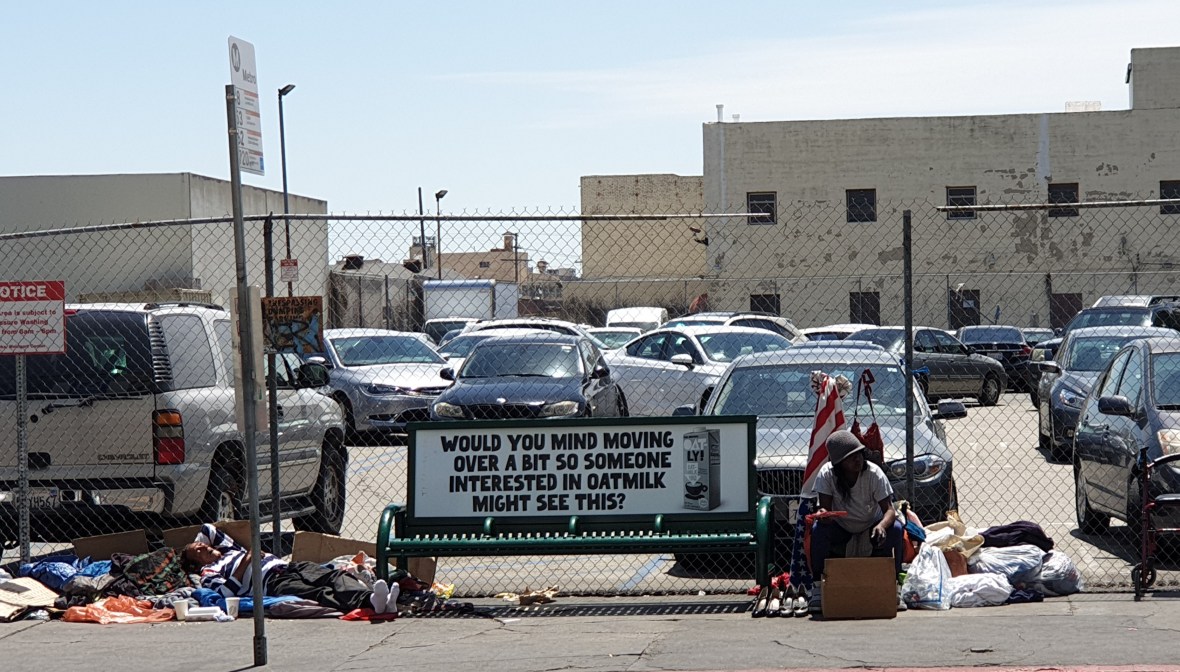
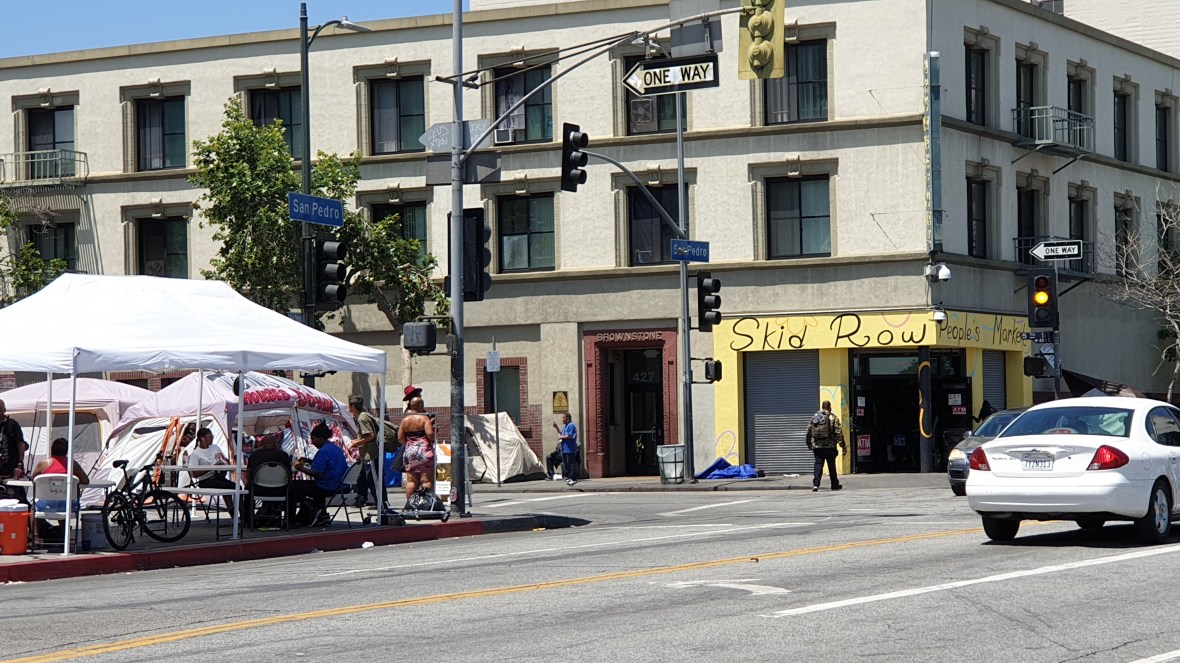
This was probably the first time I have been to a concert within walking distance of a district inhabited by 10,000 homeless people living in tents which is Skid Row. On the other hand it is reportedly the biggest concentration of homeless people in the Free World so pretty exceptional.

20190529_132652

20190529_134943

20190529_135245

The bobber – a Yamaha 1100cc – belonged to the head of security at the theatre. I have a 2017 Triumph 1200cc equivalent so was interested to compare and we had a fairly lengthy conversation about the relative features. He told me it’s parked outside most days without a chain or lock but watched closely by him and frankly I doubt that many would have wanted to chance it with him. However it should be said that the security staff were probably the friendliest and most easy going of any I have come across. After the show the theatre bar stayed open for at least two hours after which I went back to my hotel in an Uber (having been advised that to walk ran the risk of homicide, my own that is).

Photos above of Broadway, LA and from the rooftop of the Ace Hotel. The Downtown district has distinctive architecture from the early c20th and is undergoing gentrification.

Near to Regent Theatre is a brilliant bookshop, The Last Bookstore which also sells vinyl and had a good selection of The Stranglers.

20190529_163746

The Union Station is a classic Art Deco structure.

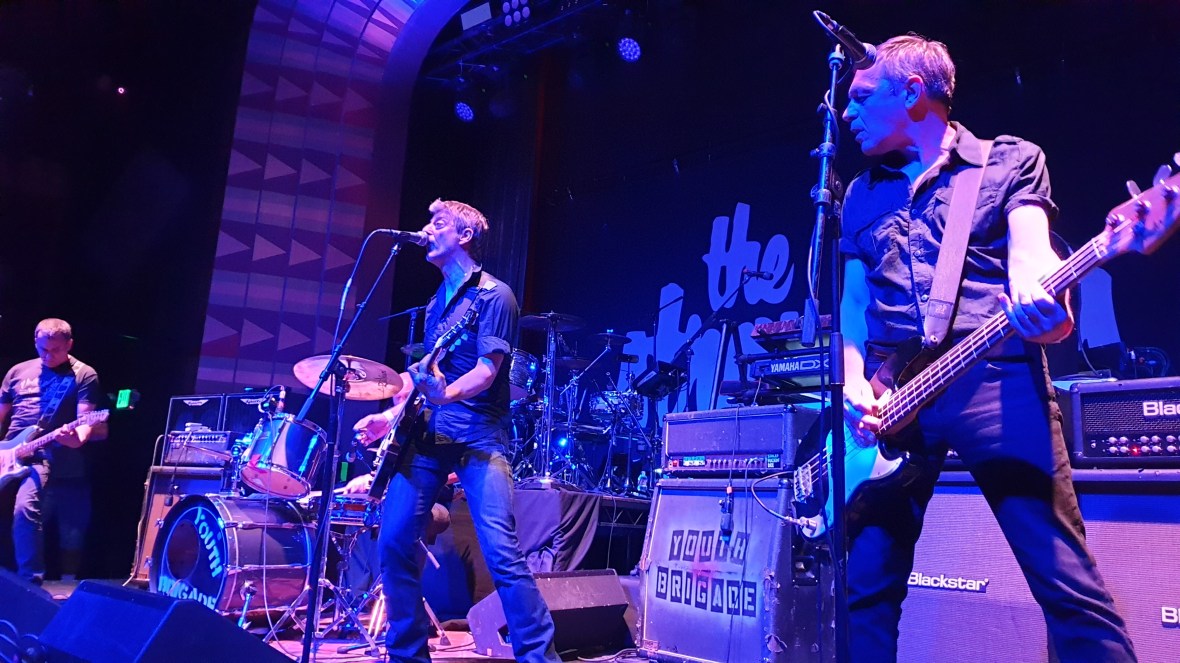
The support band was LA based Youth Brigade with strong credentials from the American punk scene and gave a good show. With the Doc Martens Airwair the look was more British than Californian.

20190529_204612

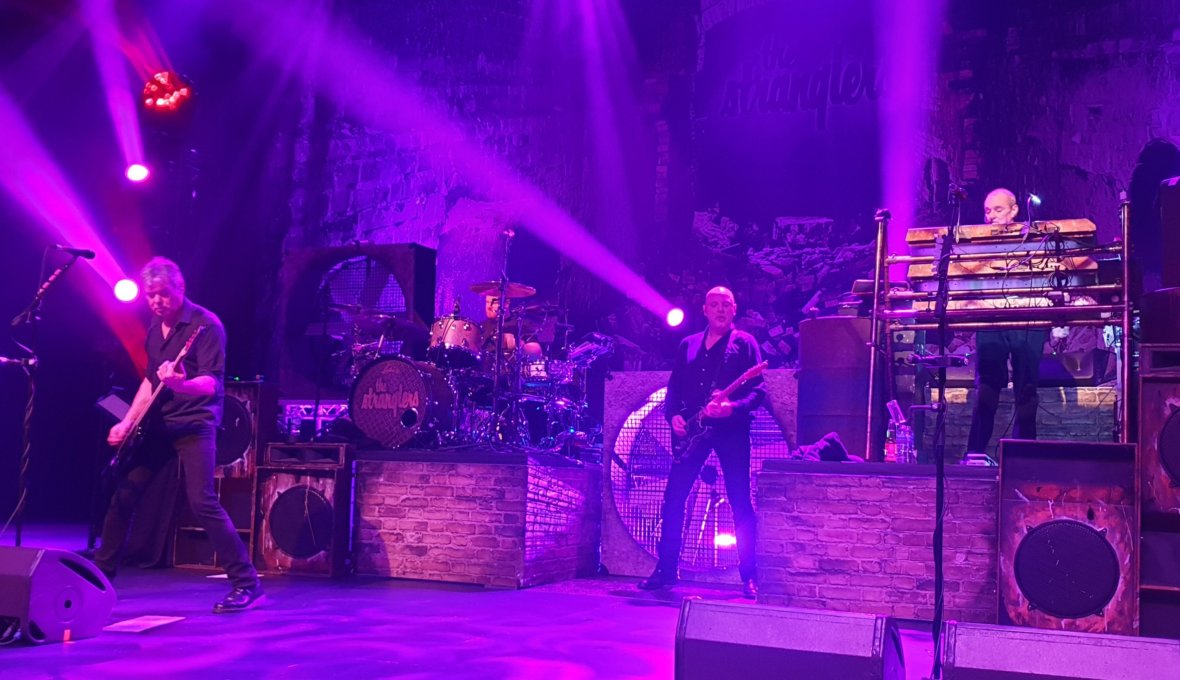
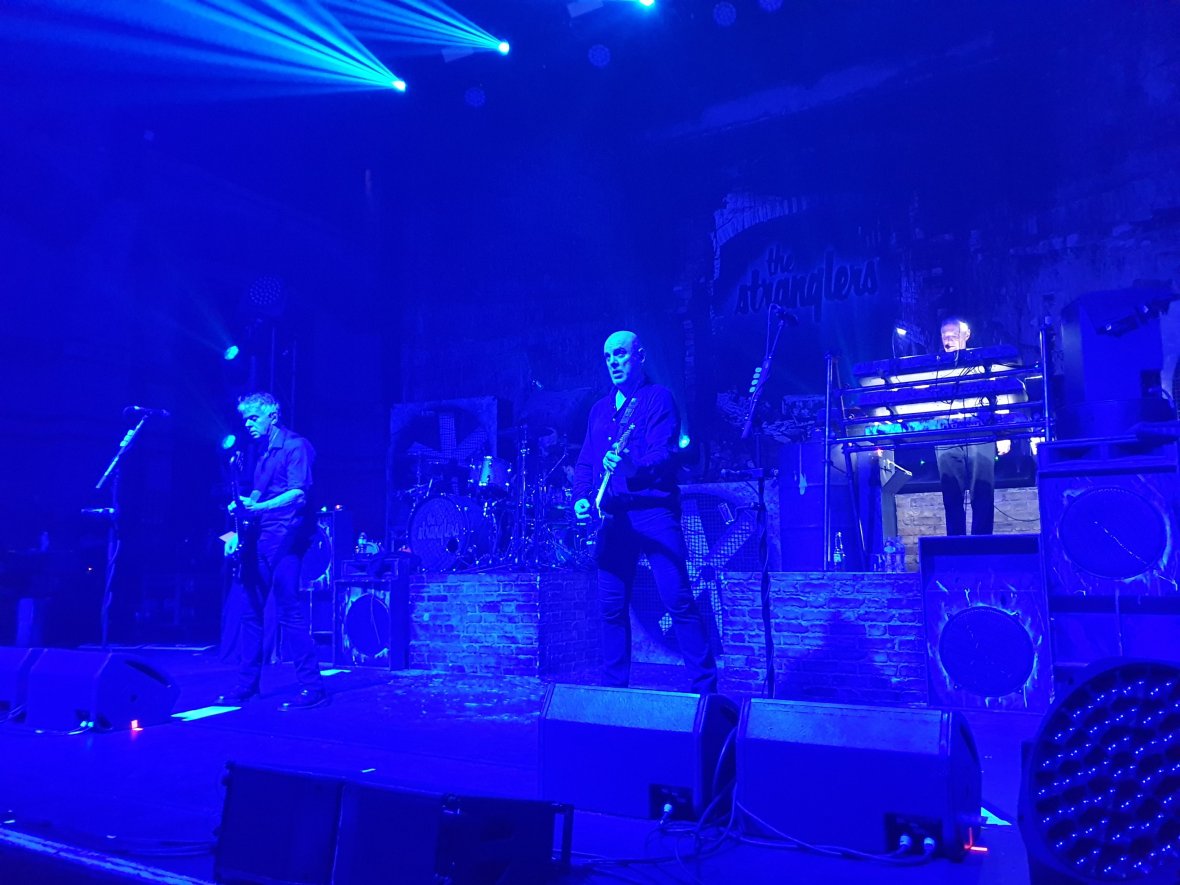
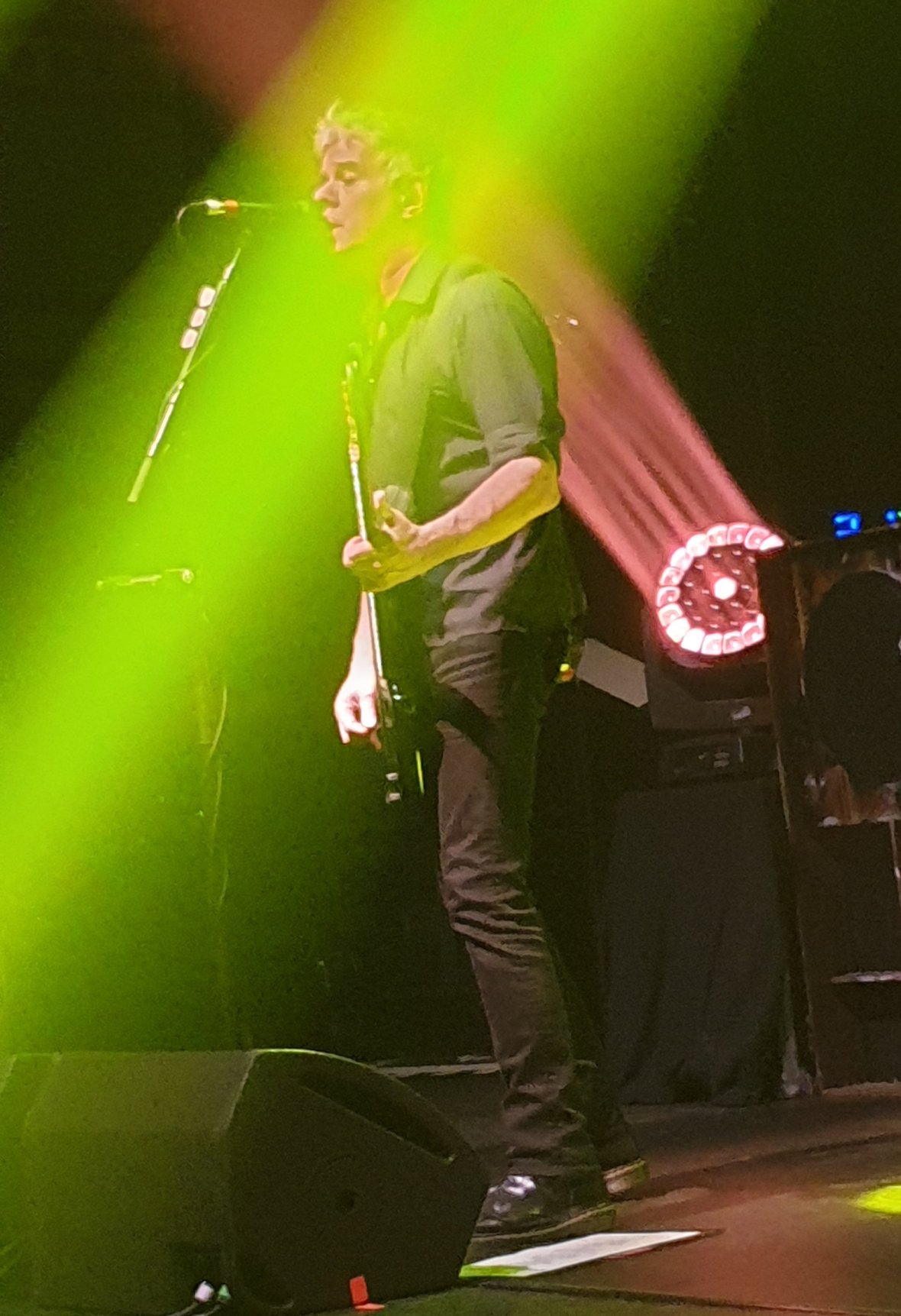
The Stranglers had a similar set to that of the British tour in March although Tank was not played. The audience was enthusiastic with plenty of whooping and the band was well-received although I couldn’t help but notice a few shocked faces during the course of Bring On Nubiles. By way of an excuse for the lyrics, Baz explained that The Stranglers was an English band and there were no protests. The audience was very friendly and among the smattering of Brits were people from France, Canada and across the USA.

The entree to No More Heroes had the usual heavy bass that could truly be felt. Was it any coincidence that there was a 2.8 earthquake reported in LA that night? This was no dead loss event.

This slideshow requires JavaScript.

By John Dewhirst

@jpdewhirst

This blog is principally about Bradford City AFC (with links to my books) but you can find sundry other stuff including photos of The Stranglers‘ March, 2019 tour from this link. I’ll be posting photos from North Korea after a visit this summer.

PS Split focus effect on a number of photos through use of a LENSBABY lens. Blame my photography but not your eyes.

The sorry story of 2018/19

This week marks the end of the end of the 2018/19 football season, one that ended much sooner as far as Bradford City AFC was concerned. Behind the scenes there is much that needs to be done to rebuild the club but changes are already underway. From an historical perspective it is astounding how badly the record of 2018/19 compares to other prior seasons when failure could have been excused by virtue of financial weakness. What makes it so unforgiveable is that in relative terms at least, the club squandered resources last season that many of its rivals did not enjoy. It was said on many occasions in the last twelve months that we’ve had it tough at Valley Parade previously. True. But the following analysis demonstrates that 2018/19 was…

…even worse than what your grandad watched

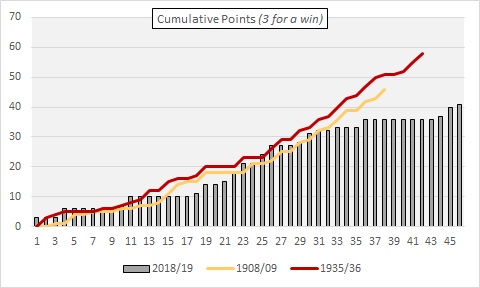
Back in December it seemed that the Bantams might transform the season and avoid relegation and I was not alone in believing that 2018/19 could have been memorable for good reasons. [Refer to an earlier post uploaded on 29th December: History for the Making!] Sadly it wasn’t to be and these updated graphs show how the recovery had petered out by the end of January. We managed 21 points in the first half of the season (with just 6 wins) and no more than 20 points (and only 5 wins) in the second not to mention 7 successive defeats.

A Great Escape would have been exceptional but by no means unprecedented in the history of Bradford City. There have been four such instances of a miraculous recovery in the second half of a season when relegation had looked all but inevitable at the beginning of December.

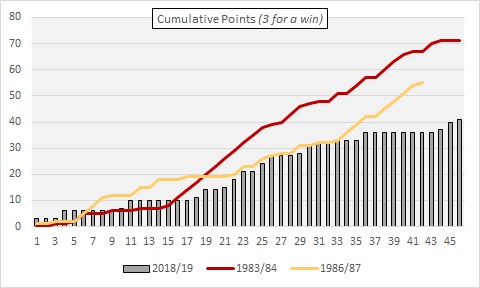
The campaigns to note were 1908/09, 1935/36 and 1986/87 when the points accumulated in the second half were significantly higher than in the first. A fourth season, 1983/84 is remembered for an impressive mid-season recovery that actually commenced prior to the midway point of the season. The cumulative points in each of these seasons are compared to 2018/19.

1908/09 = First Division

City’s first season in Division One having been promoted as champions. The club avoided relegation with victory in the last game of the season after a significant improvement in form in the second half of the season. Bottom of the division from the start of the season, by the end of November it seemed a hopeless situation. Thereafter began a fightback and even though Bradford City remained in bottom position at the end of January, the club was no longer adrift. Victory in the final game at home to FA Cup winners Manchester United secured the escape and we finished 18th out of 20; of 38 games played there were 12 wins and 10 draws. The origins of our Bantams nickname date from this season, introduced at the end of November to inspire a recovery and raise morale. The turnaround provided the momentum that led to a 7th place finish in 1909/10 and then 5th in 1910/11, not to mention FA Cup victory in April, 1911.

1935/36 = Second Division

Having finished the previous season in 20th position, there were limited expectations in August, 1935 and the club hovered just above the relegation places through to the end of March, 1936. However signs of a recovery came at the beginning of January with victory over Manchester United at Valley Parade. In the final 20 games of the season in 1936 there were 11 wins, five draws and only four defeats. We finished 12th out of 22 and of 42 games played: 15 wins, 13 draws and 14 defeats. Unfortunately the following season the club was relegated finishing second to bottom.

escape b

1983/84 = Third Division

The Bantams had been promoted from Division Four in 1981 and had consolidated at a higher level, finishing 12th in 1982/83. That season however had been torn apart in November, 1982 when manager Roy McFarland (who had been appointed less than 18 months before) opted to take charge of his former club Derby County. His decision was highly controversial but with news of financial difficulties at Valley Parade at the end of the 1982/83 season it seemed that McFarland may have had forebodings. Following insolvency in the summer of 1983 it was a minor miracle that the club was able to begin the new season. With a threadbare squad and the loss of star striker Bobby Campbell to Derby County few gave the club much hope to avoid a return to the basement division. By the middle of November the Bantams were in 23rd position with one win from 15 games and five points adrift from 20th. Thereafter began a sensational recovery with ten successive victories. Statistically the improvement in the second half of the season relative to the first was not impressive but as a mid-season turnaround what happened in 1983/84 is without precedent in the club’s history. By the end of January, 1984 Bradford City were in a safe midtable position with a 13 point buffer relative to the relegation places. The season finished 7th (out of 24). Of 46 games played the team managed 20 wins and 11 draws.

1986/87 = Second Division

Homeless after the Valley Parade fire, the 1985/86 season had been a difficult experience and it was a major achievement to have finished 13th. ‘Home’ games had been played at Elland Road, Leeds and Leeds Road, Huddersfield and then Odsal Stadium in the new year. Odsal proved to be unpopular venue and far from ideal as a football ground. Despite a decent start to the season and positioned 8th after eight games, a collapse in form left the club sitting just above the relegation places by the end of December, 1986. The return to Valley Parade at the end of December gave hope and inspired an improvement in performances. Nevertheless at the end of February, 1987 the club was bottom of Division Two with seven wins and seven draws out of 28 games. The signing of Ron Futcher is generally regarded to have invigorated the team and eight wins and three draws in the last 14 games saw the club rise up the table. Bradford City finished 10th out of 22. In total there were 15 wins and 10 draws from 42 games.

escape a

It’s truly been a poor season…

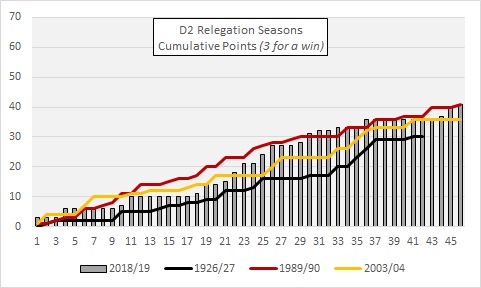
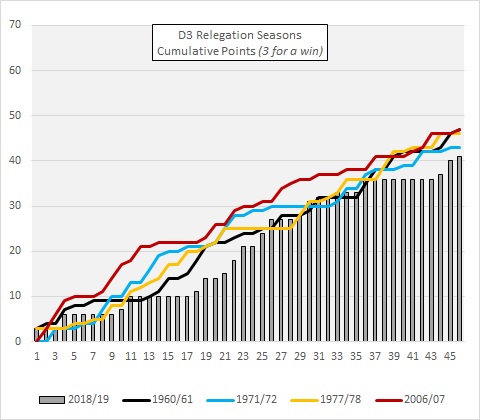
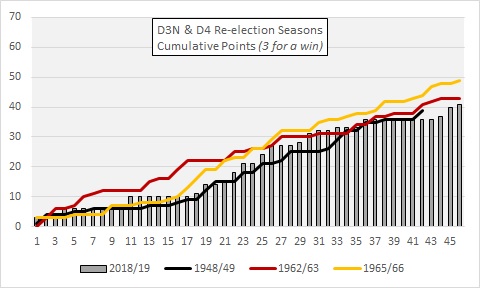
Since the formation of the club and its membership of the Football League in 1903 there have been eight promotion seasons (1908; 1929; 1968; 1977; 1982; 1996; 1999 and 2013) and now ten relegation seasons (1922; 1927; 1961; 1972; 1978; 1990; 2001; 2004; 2007 and 2019). There have also been three occasions on which Bradford City has been forced to apply for re-election to the Football League (D3N: 1949; D4: 1963 and 1966). Comparison of the points tally in the relegation and re-election seasons is as below and it doesn’t make pretty reading: 2018/19 has been virtually as bad as anything your grandfather saw. Character building stuff indeed.

D1 relegation

D2 reegation

D3 relegation

D4 reelection

A Great Bounceback?

Instead, what about our prospects of bouncing back from the basement division? Since the establishment of a four tier, national league in 1958 there have been four previous occasions when Bradford City AFC has been relegated to Division Four: 1961; 1972; 1978 and 2007. In 1971/72 the club finished bottom of Division Three with the equivalent of 43 points (11 wins) compared to 41 in the season just gone.

On no occasion has there been an immediate return from Division Four to Division Three. Promotion was subsequently achieved in 1969; 1977; 1982 and 2013 – in other words our shortest stay has been four seasons and as we recall only too vividly from the last experience, historically it has been a difficult division to escape from.

Whilst the club has been relegated after only one season at a higher level (in 1977/78) it has never managed an immediate return after relegation and the best has been two seasons in a lower division.

In 1927 the club was relegated to Division Three (North) with an even worse comparable record than 2018/19 but returned to Division Two in spectacular fashion in 1929, promoted as champions. Hopefully what happened in 1928/29 could provide some inspiration for 2019/20.

Read about what happened in 1928/29 in this feature published on VINCIT.

In the meantime here is to a welcome break and thank God that 2018/19 is now just about formally ended.

John Dewhirst

Thanks for visiting my blog which will be added to on an irregular basis during the summer. The drop down menu provides links to other features I have uploaded and this link summarises content about the history of Bradford sport I have had published on other sites including VINCIT, the online journal of Bradford Sport History. The following provides links to recent posts on this blog.

Promotion to the Premier League, 1999

A HISTORY OF BRADFORD CITY AFC IN OBJECTS

Published in the match day programme: Bradford City v Wimbledon 4th May, 2019

1998-aug.jpg

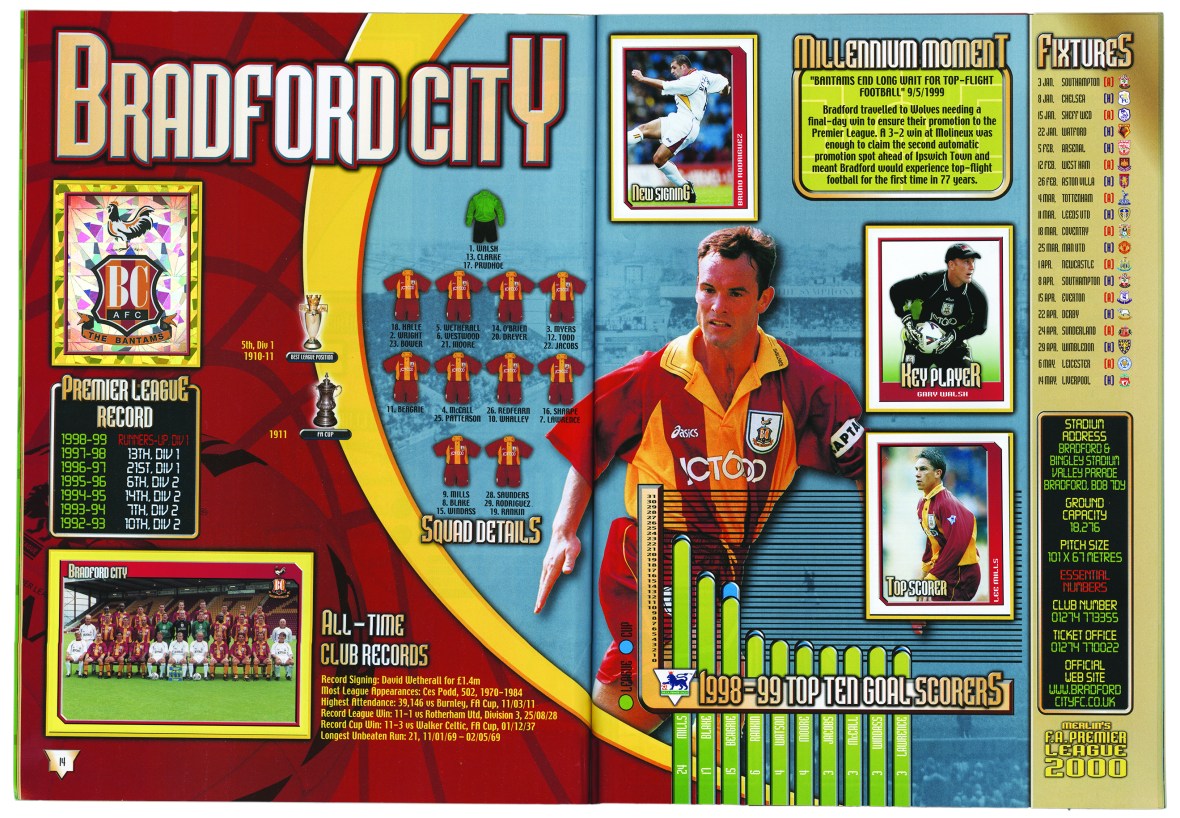
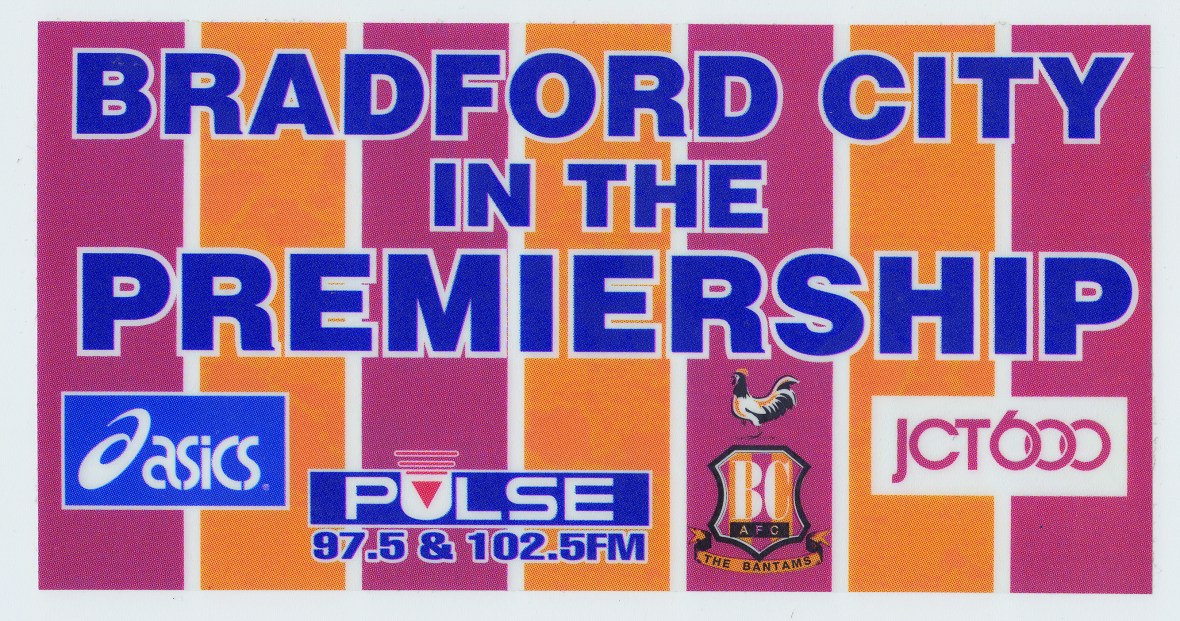
These artefacts are of a world long gone, dating back twenty years ago to 1999 when we contemplated a new adventure in the Premier League. It was the club’s greatest achievement since Glorious 1911 when the FA Cup had been won.

In the current circumstances it seems hard to imagine…

prem_league_joined.jpg

In recent issues of the Parader (LINKS FROM MENU ABOVE) I have featured a number of anniversaries that have fallen due this season. Ninety years ago, the club secured promotion back to Division Two in record-breaking fashion. It was all the more remarkable for the fact that twelve months’ previously a financial crisis had threatened the survival of Bradford City. The next notable anniversary was seventy years ago when the club finished bottom of Division Three (North) and was forced to apply for re-election. Once more the club had been weighed down by financial troubles and it was not until twenty years later that that there was something to celebrate. Fifty years ago, in 1968/69 came promotion from Division Four which was the club’s first success since 1929.

For most of the club’s existence there has been a struggle to remain solvent and, more often than not, there have been recurrent financial difficulties. Relegated from the first division in 1922 it seemed that the glory years were long gone and indeed, when Bradford City won promotion to the second division in 1985 it was the first time in 48 years that it had escaped the lower divisions.

Which brings us to the anniversary of our promotion to the Premier League in 1999, all the more poignant for the fact that we now find ourselves facing relegation from the third division. Our moment in the sun seems such a long time ago. For all our hope that the club’s fortunes would be transformed for the better, we find ourselves once more defined by failure.

38.1 lead image on first page of section

Twenty years ago, on 9th May 1999 it was such an immensely proud moment to witness the 3-2 victory at Wolverhampton that secured automatic promotion to the Premier League. For those who had followed the club in its dark days it was a genuinely satisfying moment and the experience of the Premier League during the next two seasons was indeed truly memorable.

Nevertheless, we have suffered a long hangover since with countless reminders that ours is not a club with a silver spoon in its mouth. The Bantams are neither fashionable nor media luvvies but we are fighters and no strangers to the struggle against adversity.

The club has defined itself through resilience and the fact that we don’t need the Premier League as the reason to support Bradford City is in my mind what distinguishes us. We therefore celebrate the historic achievement of promotion to the Premier League rather than mourn the fact that we could not sustain ourselves at that level. In the meantime we turn our attention to once more rebuilding and revitalising the club.

John Dewhirst

car stickers x_0002.jpg

trade_0077.jpg

Highly recommended this photo record of the first season in the Premier League: ‘Football Fans’ by Ian Beesley

The drop down menu above provides links to previous programme articles, archive images, book reviews and features on the history of Bradford sport that I have written. The links provide free, accessible history about BCAFC based on substance rather than soundbites.

I have written widely about the history of sport in Bradford: Links to my features on the history of Bradford sport

Updates to this site are tweeted: @jpdewhirst

Feedback welcome: You can contact me at johnpdewhirst at gmail dot com

Thanks for visiting my blog and a special mention to the growing number of overseas visitors.
Published on PLAYING PASTS in Feb-19: Football clubs and how they fail. (I am presenting a paper on the same theme at the International Football History Conference in Manchester in June, 2019.)

===============================================================

Details here about the bantamspast History Revisited book series and the new book by Rob Grillo which can be ordered online – SUBSCRIBER DEADLINE 5th MAY: BANTAMSPAST HISTORY REVISITED BOOKS

Late to the Game.jpg

Glorious 1911

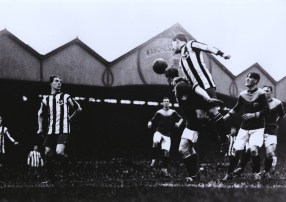
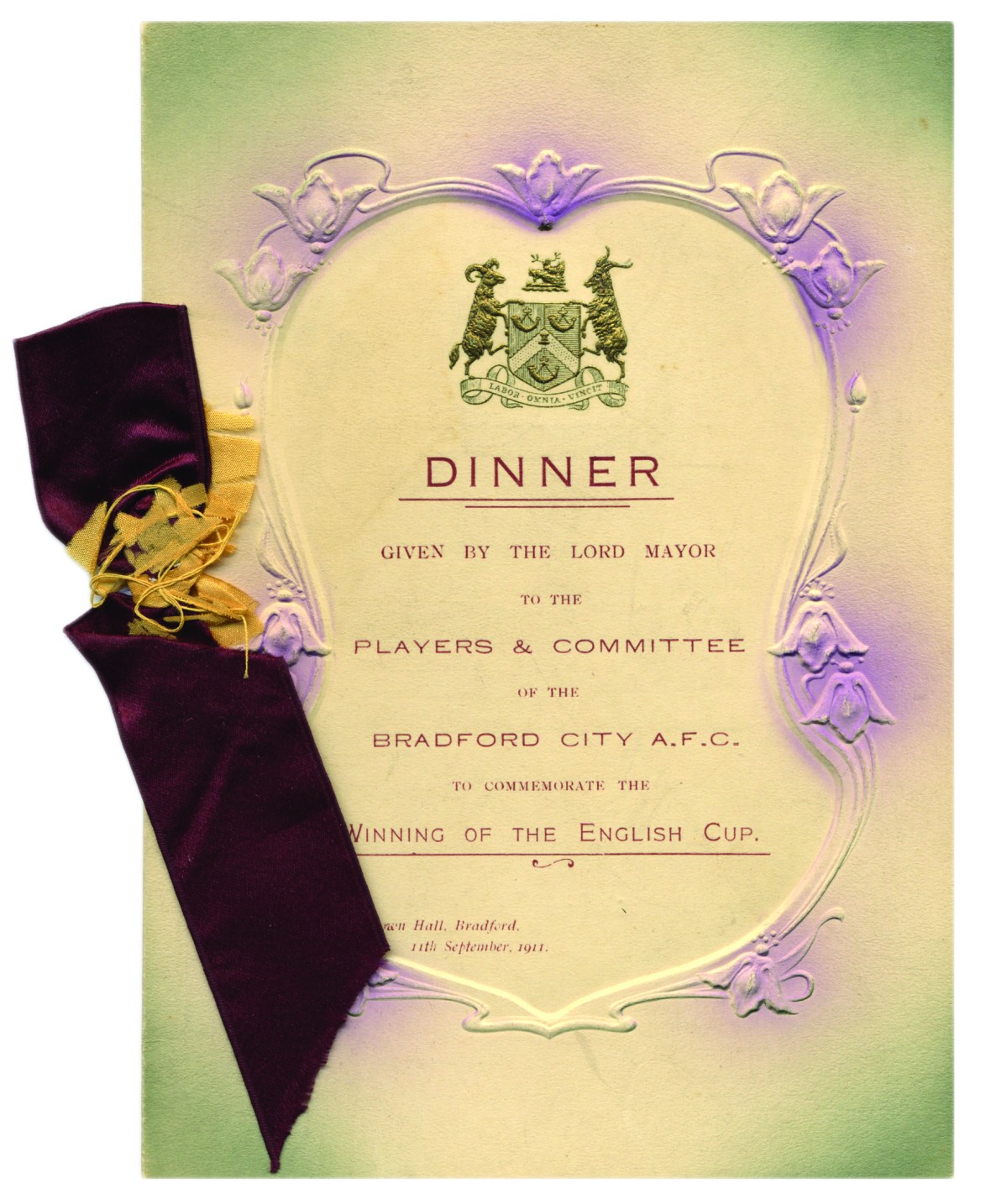
In 1911 – only eight years after soccer had been launched at Valley Parade – Bradford City AFC won the FA Cup against Newcastle United in the replay at Old Trafford, Manchester on 26th April. It remains the club’s greatest achievement and a defining part of the club’s identity.

1911 FAC Final replay

Until the emergence of the Premier League in 1992 the FA Cup commanded enormous interest both domestically and abroad and prior to World War One the FA Cup overshadowed the Football League Championship in terms of prestige. Numerous commemorative items were produced to capitalise on the interest.

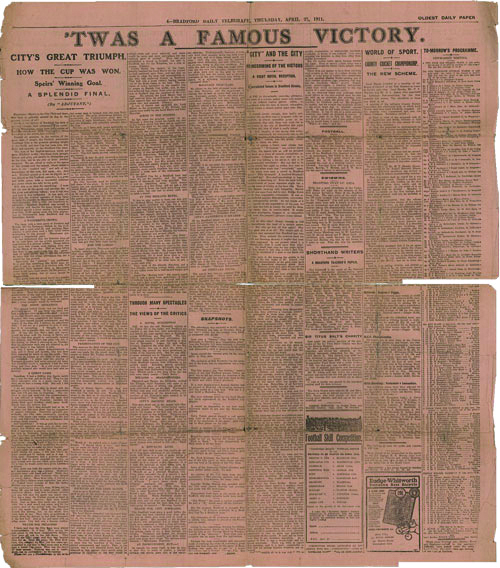
On 27th April, 1911 under the headline ‘Twas a Famous Victory’ the Bradford Daily Telegraph reported: ‘Never in the history of Bradford has such a sporting triumph been consummated… The eyes of the English speaking world are upon Bradford today; the team have brought honour and glory not merely to themselves and to the club, but to the city of their football adoption.’

telegraph

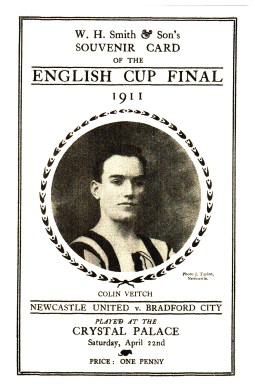
WH Smiths published a team card for the final at Crystal Palace and the other example was published by The Sportsman. The latter is notable for the number of adverts evidently aimed at a London based readership. My understanding is that a single, definitive or official programme was not published until the 1920 FA Cup Final at Stamford Bridge. Hence it is quite possible that these team cards were not the only ones available in April, 1911.

1911 final good scan

The following is an account of the achievement published in the club’s own match day programme:

The 1911 FA Cup success followed in a tradition of earlier sporting achievements by the senior Bradford clubs, most notably Bradford FC winning the Yorkshire Challenge Cup in 1884 and Manningham FC the inaugural Northern Union championship in 1896. However what was unprecedented was the assembly of people – estimated to be 100,000 – who greeted the successful team on its successful return from Manchester to Bradford on 26th April, 1911. That same evening there was a celebratory dinner at the Midland Hotel, the first of many.

front cover

We also remember the fact that two members of the FA Cup winning team were killed in World War One: Jimmy Speirs who had scored the winning goal and Bob Torrance, man of the match in the Cup Final replay. 

1911 FA Cup medal replica.jpg


1911 fac final team.jpg

John Dewhirst

The drop down menu above provides links to previous programme articles, archive images, book reviews and features on the history of Bradford sport.

Updates to this site are tweeted: @jpdewhirst

===============================================================

Details here about the bantamspast History Revisited book series: BANTAMSPAST HISTORY REVISITED BOOKS

*** DEADLINE for SUBSCRIBER COPIES for the latest volume, LATE TO THE GAME by Rob Grillo is 5th MAY ***

==============================================================

Bottom of the League: 1948/49 remembered

A HISTORY OF BRADFORD CITY AFC IN OBJECTS

Extended version of the feature published in the match day programme: Bradford City v Gillingham, 22 April, 2019

Thank you to David Wilkins for sharing his copy of a Bradford City programme from October, 1948 featuring the game with Darlington, a 0-2 defeat. The contrast with match day magazines of today is significant, both in terms of quality and content. It is a flimsy publication, has no photos, comprises just eight pages and is printed on cheap paper. Yet when it was introduced that month it was a big step forward, the first time that colours had been used in the club’s programme design (and the same style of cover remained in use at Valley Parade until the end of 1956).

The cover was introduced in the same month to herald a fresh start and as illustrated, signalled a return to the famous yoke shirt design, better known from the victorious 1911 FA Cup campaign.
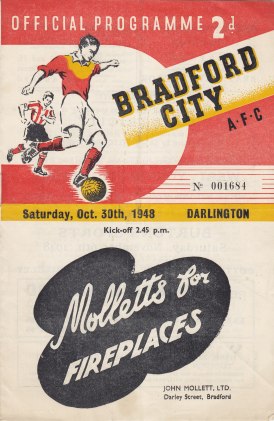
darlo 30-oct-48

The cheap and cheerful publication was typical of football programmes just after the war when paper was not only expensive but in short supply. During the course of the next decade there were improvements in the standard of programmes at many other clubs. However it reflected the financial constraints and lack of imagination at Valley Parade that things didn’t really change until the mid-1960s when Stafford Heginbotham took control.

The Bradford City programme mirrored the state of the club and the doldrums of the immediate post-war period. What happened seventy years ago, in the 1948/49 season had a big part in defining the era and by finishing bottom of Division Three (North), the club’s ambitions were completely reset. No longer could City pretend to a big club in exile. The evidence was now plain to see, that it was instead a lower division side and a struggling one at that.

The 1948/49 season was the third since the resumption of peacetime football and there were hopes that the club might challenge at the top of Division Three (North) to return to the second division for the first time since relegation in 1937. Indeed, there was genuine enthusiasm and optimism about the club’s prospects under new manager David Steele and people were prepared to believe that the 14th place finish in 1947/48 had been an anomaly. No-one could have expected that City would struggle to the extent that they did and it had been thought that the club could get away without strengthening the squad.

By the end of October 1948, City were already at the bottom of the table and prior to successive victories over Oldham Athletic (away and then home) over the Christmas period, the team had managed only a solitary win in the first 18 games. It was a run of form comparable to 1926/27, a dismal season in which City had been relegated from Division Two with only 7 wins from 42 games. In December, 1948 there was a revival of newspaper talk about merger with Bradford Park Avenue.

You could be forgiven thinking that history repeats itself at Valley Parade. Indeed, the disappointment of this season has been witnessed on all too many occasions previously. There have been countless crises before and on each occasion the club has relied on its supporters to get itself back up. The circumstances of 2019 are no different to 1949 or any other time in any other decade of the club’s history going back to its origins as Manningham FC in 1880.

Seventy years ago the lack of finance was the root cause of the club’s problems. The fact that Valley Parade is built on a steep hillside has always posed a particular challenge and a costly one at that. The expense of Valley Parade has thus always been an additional burden for the club.

During the 1948 close season – in the aftermath of the Burnden Park disaster that had occurred in March, 1946 – the Midland Road stand was inspected by Bradford Corporation (as the licensing authority) and declared unsafe with its capacity restricted to two thousand. Additionally the club faced costs of £7,000 to make the stand safe. The construction of the stand in 1908 had pioneered the use of ferro-concrete and probably paid a price for experimentation in so far as the structure was found wanting forty years later. Additionally the stand was prone to storm damage due to its exposure and maintenance work had been minimal after World War One. However, given the circumstances of what happened at Bolton where 33 supporters were killed in a stampede on a banked terrace, it would not have been difficult to envisage potential safety risks on the Midland Road side where there were steep exit stairways. In 1946 the chairman, Robert Sharp had been quoted to the effect that the club was considering installation of a loudspeaker system to assist public safety. Needless to say, Bradford Corporation considered this to be inadequate in isolation.

In October, 1948 Councillor Rose assumed the role of chairman at Bradford City and David Steele was appointed as manager. To signal the fresh start there was a change of programme cover design at the end of that month and in January, 1949 the yoke shirt famously worn in the 1911 FA Cup Final was reintroduced. It was reported in the programme for the game with New Brighton on 11th December, 1948 that ‘at the (recent) directors’ meeting we met a few businessmen who are interested in the club and are prepared to get together to form a working committee for the City Supporters’ and Shareholders’ Association’. Thus came the revival of the Bradford City Shareholders’ and Supporters’ Association and in the following two decades it was the efforts of the BCSSA that kept the club afloat.

The BCSSA introduced a number of initiatives and fund raising events to assist the club. The bantam identity was restored, later featuring on the club shirts and in a flag that flew from the Burlington Terrace offices in the north-west corner of the ground. The revival of the yoke shirt was similarly intended as a totem of good fortune, to raise spirits. The BCSSA did not succeed in transforming the club overnight but it was successful in raising morale among supporters and restoring hope. If there are lessons for these times it is that there was a focus on the small things and City’s recovery was eventually derived from the aggregate benefit of numerous marginal changes. A traditional strip that dated back to 1909; a revival of a popular identity; improved communications and the rebuilding of trust with the club among them.

1909 BDV silk

Was it not for a second half recovery, with 7 victories in 21 games the outcome in 1948/49 would have been much worse. Nevertheless, with only 10 wins in total there was little surprise that the Paraders finished bottom of Division Three (North), five points adrift of Accrington Stanley in 20th position who avoided the ignominy of having to apply for re-election.

Not surprisingly the gates at Valley Parade were impacted and although the average League attendance of 10,447 in 1948/49 was higher than in the previous two seasons, it was well down on pre-war levels. In fact, the gates could reasonably have been expected to be much higher given the boom in attendances nationally and it is notable that the average was not that much greater than at other northern clubs in the third tier. It was evidence that Bradfordians had begun to turn their back on the club and City faced competition for interest from a resurgent Bradford Northern whilst Bradford Park Avenue were placed in the division above. That average was also distorted by the 27,083 who had attended the game with leaders, Hull City at Valley Parade in February, 1949 when City had managed a rare win. It was reported that many people were locked-out of the ground which was full to capacity. For safety reasons people were not allowed to use the rear portion of the Midland Road stand which was fenced off (refer images below). Demolition began at the end of November, 1951 and was completed the following spring.

1949-02-19 at VP v Hull

The Hull result was the highlight of the season and interest in the fixture was occasioned by the presence of the former Sunderland and England international striker, Raich Carter who had been appointed player-manager of the Tigers the previous summer. Carter had had a big impact on Hull City and attendances at Boothferry Park, something that didn’t go unnoticed in Bradford where a similar appointment was envisaged as a magical solution to the Paraders‘ woes. Sadly, Bradford City remained in Division Three (North) until the launch of a national third division (as now) in 1958 and never climbed back to the second division until 1985.

John Dewhirst

The drop down menu above provides links to previous programme articles, archive images, book reviews and features on the history of Bradford sport that I have written. The links provide free, accessible history about BCAFC based on substance rather than soundbites.

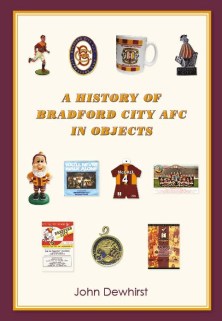
My book A HISTORY OF BCAFC IN OBJECTS (vol 1 in the BANTAMSPAST HISTORY REVISITED series) provides background about City memorabilia and is on sale in the City Shop at Valley Parade.

I have written widely about the history of sport in Bradford: Links to my features on the history of Bradford sport

Updates to this site are tweeted: @jpdewhirst

Feedback welcome: You can contact me at johnpdewhirst at gmail dot com

Thanks for visiting my blog and a special mention to the growing number of overseas visitors.

===============================================================

Details here about the bantamspast History Revisited book series: BANTAMSPAST HISTORY REVISITED BOOKS

*** DEADLINE for SUBSCRIBER COPIES for the latest volume, LATE TO THE GAME by Rob Grillo is 5th MAY ***

==============================================================
Promotion season: 1968/69

A HISTORY OF BRADFORD CITY AFC IN OBJECTS

Published in the match day programme: Bradford City v Doncaster Rovers 6th April, 2019

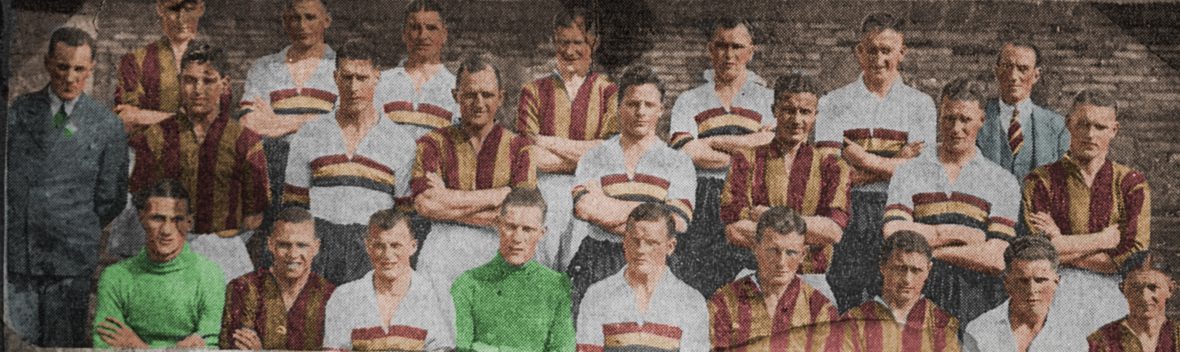
Thank you to Sean O’Grady for sharing his copy of the Bradford City promotion handbook, published in August, 1969 to commemorate the club’s success the previous season. It had been 40 years since Bradford City had previously been promoted and the solitary club honour since 1911 had been the Division Three (North) championship in 1929.

promotion brochure 1969

Unlike previous promotion seasons in 1928/29 and 1907/08 – when the club had finished top of its division – on this occasion it was fourth place in the fourth division that was celebrated. Whilst it might seem a modest achievement, it was far from being insignificant. For a start it was promotion and an escape from the basement division occupied since 1961. Crucially it also confirmed the ascendancy of the club over Bradford Park Avenue, by this time adrift at the foot of the Football League having finished 91st in 1966/67 and then bottom in in 1967/68 and 1968/69. In the desperate rivalry between the two and the struggle for financial survival, it was a massive victory to achieve promotion. And indeed, it was celebrated by City supporters as though their team had won the League Championship.

The 1960s had been a difficult decade for both Bradford clubs. In 1963 and 1966 City had finished 91st in the Football League and 87th in 1965. After surviving a financial crisis in 1966 the club had made progress under the leadership of its new chairman, Stafford Heginbotham but the death of manager, Grenville Hair in March, 1968 had been a major setback. His replacement was the 34 year old former Reading striker, Jimmy Wheeler who was appointed as manager in June, 1968. Finances dictated recruitment and City began the 1968/69 season with only three new signings – Peter Middleton from Sheffield Wednesday, Ron Bayliss from Reading and goalkeeper John Roberts, a triallist from Australia.

During the first half of the season the Paraders managed just seven wins and by mid-January, 1969 were 13th. It was the signing of centre forward Norman Corner from Lincoln City in January, 1969 that transformed the team. Corner made his debut at Park Avenue in the last ever League derby (a 0-0 draw) and he scored 8 times in 21 consecutive appearances in 1968/69.

Bradford City were undefeated in 21 games before a 1-2 reverse in the penultimate game of the season at Brentford which meant that victory was necessary in the last match of the season at Darlington to guarantee promotion. That game on Friday 9th May, 1969 was one of the most memorable in the club’s post-war history and a bumper 11,851 crowd witnessed a thrilling 3-1 win by City. Today’s visitors Doncaster Rovers finished as champions and the two other promoted clubs were Halifax Town and Rochdale.

In addition to an own goal, it was notable that Bobby Ham and Bruce Bannister both scored that night. Ham, an ever-present in 1968/69 was top scorer with 18 and he formed an excellent partnership with Bannister (7 goals from 30 League games). However, there were other regular goalscorers in the team including John Hall (9 goals), Tony Leighton (8 goals) and Charlie Rackstraw (7).

Promotion was secured on the basis of strong home form with only two defeats at Valley Parade in 1968/69. The Paraders remained undefeated at home throughout 1969 and there was a sequence of 23 undefeated games between January, 1969 and January, 1970. Sadly, the momentum of promotion success was not sustained and the failure – or inability – to strengthen the team led to eventual relegation in 1972. However at least the club didn’t have to wait another 40 years for its next promotion success and in the last fifty seasons it has been achieved on no less than six occasions.

John Dewhirst

The drop down menu above provides links to previous programme articles, archive images, book reviews and features on the history of Bradford sport that I have written. The links provide free, accessible history about BCAFC based on substance rather than soundbites.

My book A HISTORY OF BCAFC IN OBJECTS (vol 1 in the BANTAMSPAST HISTORY REVISITED series) provides background about City memorabilia. In issues of The Parader I feature objects that tell the history of the club.

I have written widely about the history of sport in Bradford: Links to my features on the history of Bradford sport

Updates to this site are tweeted: @jpdewhirst

Feedback welcome: You can contact me at johnpdewhirst at gmail dot com

Thanks for visiting my blog and a special mention to the growing number of overseas visitors.
Published on PLAYING PASTS in Feb-19: Football clubs and how they fail. (I am presenting a paper on the same theme at the International Football History Conference in Manchester in June, 2019.)

===============================================================

Details here about the bantamspast History Revisited book series: BANTAMSPAST HISTORY REVISITED BOOKS

==============================================================

The Stranglers, Mar-19 Tour

Something different to the regular content on this blog…

20190322_0621407475767481428590730.jpg

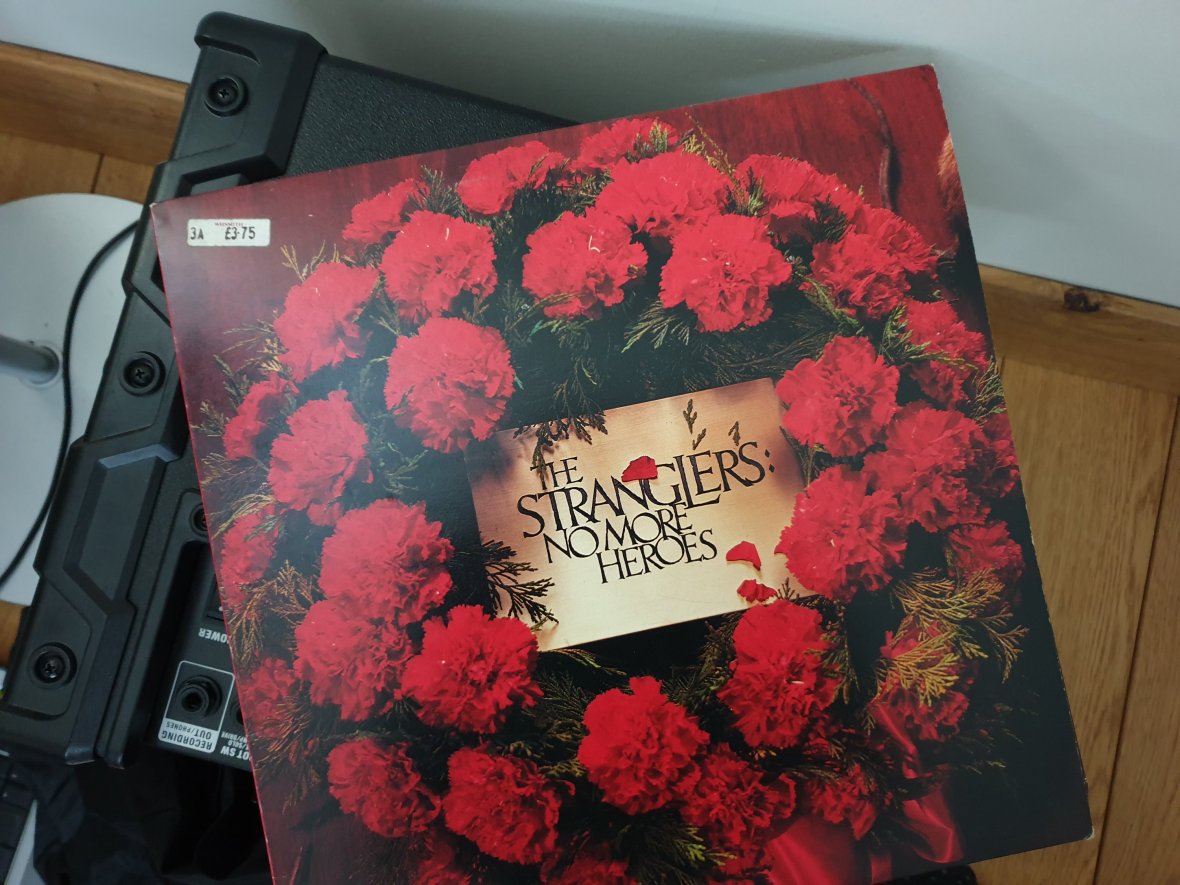
My memories of 1977 are the promotion of Bradford City AFC from Division Four and discovering The Stranglers whose first album, Rattus Norvegicus was released that year shortly followed by No More Heroes (purchased from WH Smiths in Bradford Arndale for the princely sum of £3.75). The music was a big part of teenage years but it was the irreverent attitude of the band that struck a chord so to speak. I liked them all the more for the fact that they were never fashionable. To have survived so long is a remarkable, creative achievement and like Bradford City, The Stranglers have been a constant of my adult life.

I first saw The Stranglers live in 1979 (St George’s Hall, Bradford) and have seen them on most tours since. The band has reinvented itself with changes of the men in black and different styles of music through the last forty years. Latterly they have returned to their roots and in my opinion are now firmly back at their best. After a sell-out tour of the UK and southern Ireland in March, 2019 they embark on a pretty intensive world tour including the USA, Japan, France, Netherlands and Germany during the rest of the year.

I went to a ‘few’ gigs in their tour of March from Belfast to Glasgow to Manchester and others in between. On this page is a collection of my photos in no particular order.

Following The Stranglers around the country has much in common with following a football team to away grounds. What is refreshing is that everyone in attendance is on the same side and it is a friendly atmosphere. Unlike watching the football they never disappoint. For sure it’s not a substitute but it’s pretty satisfying and it’s probably no coincidence either that a lot of those who follow the band across the country are also football fans.

Golden Brown, Brixton 22-Mar-19

Ice Queen, Cambridge 23-Mar-19

The Stranglers will not continue indefinitely so seize the moment to see them. Maybe when they do finally quit I’ll come to terms with my own age but in the meantime, fly straight!

20190323_2146124162989654296199078.jpg

20190323_2314504071316854625591195.jpg

20190323_2126587801765057280912272.jpg

20190323_2313036563131714464037431.jpg

20190323_2312035713538334652963771.jpg

20190323_2143075170526047498668303.jpg

20190323_2302293914745585656717771.jpg

20190323_2306228540447033440079741.jpg


20190323_2305265795679538998149526.jpg


The only thing I’ve ever written about music was this feature for the Elvis in the Clouds blog in 2017.

Follow the menu above for links to other content on this blog. Thanks for visiting!

John Dewhirst

@jpdewhirst

The City Gent

A HISTORY OF BRADFORD CITY AFC IN OBJECTS

Published in the match day programme: Bradford City v Blackpool, 23rd March, 2019

Stafford Heginbotham and George Ide had assumed control of BCAFC in October, 1965 at a time when the club was bottom of the fourth division. Anxious to promote the club and signal a fresh start, the board launched a new identity in conjunction with a programme redesign mid-season. The immediate impact was limited given that the club finished the 1965/66 season in second to bottom position and Heginbotham acknowledged his frustration in an open letter to supporters published in the Aldershot programme on 30th April, 1966. Twelve days later the Wrexham fixture attracted a then record low crowd of only 1,353.

Nevertheless, a momentum for change had been established with a modernisation programme at Valley Parade that would include changes to the ground itself. During the next four seasons Heginbotham achieved a doubling of the average attendance from just over four thousand in 1965/66.

1966 mar

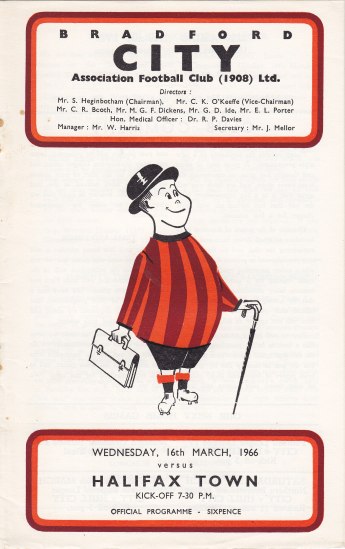
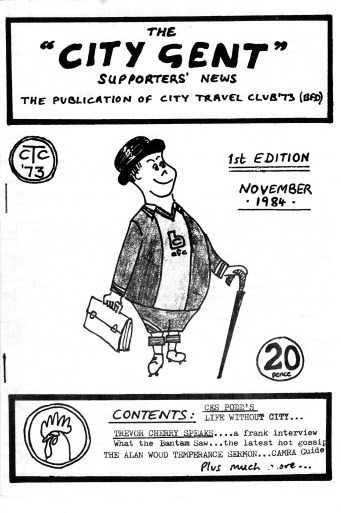
Commercial opportunism has inevitably impacted on the evolution of football club crests and the 1966 FIFA World Cup tournament in particular had a major impact in the emergence of new identities among English clubs. The World Cup Willy character inspired the City Gent at Valley Parade. Reputedly a caricature of the then chairman, Stafford Heginbotham, it was introduced to Valley Parade in November, 1965 (the month after Stafford Heginbotham and George Ide had taken control of the club) where it was used on posters advertising forthcoming games. The character later appeared on the cover of the club programme on 16th March, 1966. At the time Heginbotham was only 33 years old which explains the fresh face of the City Gent.

Given that Heginbotham had made his name as the creator of cuddly characters in his Tebro Toys business it is surprising that he didn’t make more of the City Gent character beyond its application on the programme, pennants or badges. However that was the full extent of merchandising at most lower division clubs for another decade. At Valley Parade the impact of the City Gent was in promoting a fresh start and Heginbotham could claim success, not least with the club’s first promotion in 40 years in the 1968/69 season.

Poor Workington AFC who left the Football League in 1977 are now forgotten, if not confused with Workington Town (the RL club). The demise of the Workington Reds and the growing dominance of southern clubs in the lower divisions of the Football League speaks volumes about economic change in England in the last 40 years.

Beyond any doubt the City Gent character proved popular with supporters and it was the unanimous choice of title for the supporters’ magazine when we launched it in 1984. The City Gent was a common choice for a tattoo design among a good number of fans but there was an alarming inconsistency as to how the character was depicted. In the 1970s and 1980s I saw some disastrous City Gent tattoos displayed on the terraces which would have been better covered up.

IMG_0044.jpg

In 1966 the City Gent character symbolised a more modern alternative to the bantam and the portrayal of a character with bowler hat and briefcase also implied that Bradford meant business (a slogan later adopted by the local chamber of commerce in conjunction with Bradford Corporation, to promote the city). It is quite possible that Stafford Heginbotham saw himself as the personification of a modern entrepreneur and hence the City Gent was also a narcissistic expression. Even Geoffrey Richmond did nothing similar.

Scan_20200422 (61)

In contrast, although Avenue ‘Arry was introduced at Park Avenue shortly after the City Gent at Valley Parade, the character was never applied to the same extent and was confined principally to the inside of that club’s programme where it was used to accompany fund raising news of the Avenue Supporters’ Club. Interestingly – or fittingly – the character was pictured in different moods to the original rattle waving version.

I have not seen a coloured version of Avenue ‘Arry from the 1960s. In his original incarnation in 1966 he would have worn a green and white scarf whereas in 1967/67 Bradford Park Avenue reverted to the traditional red / amber / black colours incorporated into a predominantly white strip.

There are a number of explanations that could be advanced for the failure of Bradford to exploit Avenue ‘Arry. First and foremost it surely reflected the absence of marketing nous at Park Avenue but because the City Gent was so closely associated with Stafford Heginbotham (who was a controversial figure with longstanding supporters at Valley Parade), there may have been a reluctance to have a similar character at Park Avenue. Thus whereas the City Gent became a de facto club crest for Bradford City, Avenue ‘Arry never achieved prominence.

The City Gent was retired at the end of the 1973/74 season by Bob Martin who had succeeded Stafford Heginbotham as chairman. Martin wanted to signal a new era but given that his relationship with Heginbotham was caustic there was little chance of the character being retained to remind him of his critic. Shortly after we launched The City Gent publication in 1984 I interviewed Stafford Heginbotham and asked whether the character might be readopted by the club itself. In response I got the distinct impression that Heginbotham wanted to leave it in the past and that quite possibly he was embarrassed at the suggestion of it being used once more. It may have been a reminder to him that he was not as fresh faced as twenty years before but equally he may have considered that it was dated with limited commercial potential. After all, Heginbtham was never a man bound by sentimentality.

The subsequent prominence of The City Gent as a supporters’ publication might have also compomised how the club could apply the identity. And so its revival was confined to being the identity of a club mascot, albeit not seen in the last decade.

For younger generations of supporters I suspect he is now an anachronism and the opportunity for a reincarnation of the City Gent in a new guise may have been lost. I hope not.

John Dewhirst

The drop down menu above provides links to previous programme articles, archive images, book reviews and features on the history of Bradford sport that I have written. The links provide free, accessible history about BCAFC based on substance rather than soundbites.

dewhirst a history of bradford city in objects7582000201589702380..jpg

My book A HISTORY OF BCAFC IN OBJECTS (vol 1 in the BANTAMSPAST HISTORY REVISITED series) provides background about City memorabilia. The book includes further detail about the City Gent and the tensions that existed between Stafford Heginbotham and older members of the Bradford City Shareholders’ & Supporters’ Association . What is particularly amusing is that the BCSSA sold City Gent badges to raise funds for the club, notwithstanding that certain members were irritated about the promotion of Heginbotham’s ego.

In issues of The Parader I feature objects that tell the history of the club. If you have a City artefact in your possession that you would like me to feature in the programme contact me at johnpdewhirst at gmail dot com or tweets @jpdewhirst

I have written widely about the history of sport in Bradford: Links to my features on the history of Bradford sport

Other features on the history of the BCAFC identity:

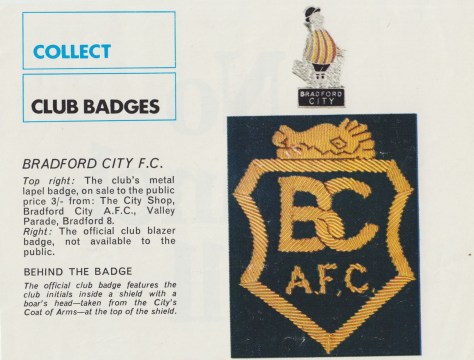
Bradford City AFC & the Boar’s Head identity

Application of the Bradford civic crest

How Bradford City became known as the Bantams

Bantams crests in the 1980s

The ‘bc’ logo of 1974-81

The BSA Bantam character
Published on PLAYING PASTS in Feb-19: Football clubs and how they fail. (I am presenting a paper on the same theme at the International Football History Conference in Manchester in June, 2019.)

Updates to this site are tweeted: @jpdewhirst

===============================================================

Details here about the bantamspast History Revisited book series: BANTAMSPAST HISTORY REVISITED BOOKS

==============================================================

Discover more about Bradford football history at www.bradfordsporthistory.com

A cold night in Luton

A HISTORY OF BRADFORD CITY AFC IN OBJECTS

Published in the match day programme: Bradford City v Luton Town, 12th March 2019 

Luton programme Jan-88.jpg

Featured today the programme from what was possibly the biggest game between City and Luton, the League Cup Quarter-Final tie in January, 1988.

It was not until the 1965/66 season that Bradford City played Luton Town and today is only the 19th occasion that we have met. Notable is that a large proportion of those games – five – have involved cup matches.

We were knocked out of the FA Cup at Luton in 1973/74 and then at Valley Parade in 2003/04. In the League Cup we were beaten 0-2 in the Fifth Round, quarter-final in January, 1988 but we secured revenge in October, 1990 by defeating Luton by penalties after extra-time in the Second Round, Second Leg at Valley Parade.

The League Cup meeting 31 years ago was particularly memorable. It came at a time when Bradford City sat among the leading clubs of the second division and it felt equally surreal that we should be entertaining the prospect of an appearance in the semi-finals of a national cup competition. Luton Town was then a first division club and in fact of the eight quarter-finalists, five others – Arsenal, Everton, Manchester United, Oxford United and Sheffield Wednesday – were in the top tier whilst Manchester City and ourselves were members of Division Two.

Football aside, what I remember of that day is travelling to the match on a very cold day with a couple of colleagues and seeing for the first time a ‘car phone’, a brick sized gadget that provided mobile telephone connectivity and which has evolved into the indispensable pocket gadget that we all carry today.

Sadly, a giant-killing never happened and City were defeated 0-2. Luton went on to beat Oxford in the semi-final and then Arsenal in the final. By contrast our season ended in disappointment with play-off defeat at Middlesbrough in what later became known as the ‘nearly season’.

All of the league games with Luton have been in the lower divisions. The league record is pretty even and out of 13 games the two sides have won four apiece. Three of those defeats for City have been at Kenilworth Road, comprising two 0-4 reverses and once, 0-5. The latter was in December, 1969 when City were challenging at the top of the third division after being promoted the previous season. That result proved something of a reality check with regards to the prospect of a successive promotion success and it punctured the team’s momentum. Yet whilst City fell away to finish mid-table in 1969/70, Luton secured a runners-up position.

The nagging statistic however is that we haven’t beaten Luton Town in league competition since our away win more than fifty years ago on 27th April, 1968 in a fourth division fixture.


John Dewhirst

The drop down menu above provides links to previous programme articles, archive images, book reviews and features on the history of Bradford sport that I have written. The links provide free, accessible history about BCAFC based on substance rather than soundbites.

My book A HISTORY OF BCAFC IN OBJECTS (vol 1 in the BANTAMSPAST HISTORY REVISITED series) provides background about City memorabilia. In issues of The Parader I feature objects that tell the history of the club. If you have a City artefact in your possession that you would like me to feature in the programme contact me at johnpdewhirst at gmail dot com or tweets @jpdewhirst

I have written widely about the history of sport in Bradford: Links to my features on the history of Bradford sport

Updates to this site are tweeted: @jpdewhirst

===============================================================

Details here about the bantamspast History Revisited book series: BANTAMSPAST HISTORY REVISITED BOOKS

==============================================================

Discover more about Bradford football history at www.bradfordsporthistory.com

Fatty Foulkes & cig cards

A HISTORY OF BRADFORD CITY AFC IN OBJECTS

Published in the match day programme: Bradford City v Peterborough United, 9th March 2019

Cigarette cards, or ‘stiffeners’ had their origin in the USA with a functional purpose to reinforce the packaging. Their potential as a marketing tool was recognised and they were distributed by tobacco companies to promote their products as well as to enforce brand loyalty and repeat purchase. From 1887 British tobacco companies such as W.D. & H.O. Wills, John Player & Sons and Thomas Ogden started issuing themed cards featuring an eclectic mix of subject from military uniforms, flags and ships through to sportsmen. By the time of the formation of Bradford City in 1903 the practice was already well-established. The set of football cards issued by Ogdens in 1906 which depicted footballers in their club colours was one of the first full-colour series.

The emergence of Bradford City as a successful and relatively well supported team, particularly after promotion to Division One in 1908 and through to 1915, meant that its players were well represented in releases during this period. Indeed City players were included in a number of what are now considered classic football card series. Not surprisingly, as the club’s fortunes declined during the inter-war period (with relegation to Division Three (North) by 1927 for example) there were much fewer cards featuring Bradford City teams or players.

The earliest cigarette cards to feature City players were issued during the 1907/08 season. There were four different series including Prominent Footballers by Taddy &Co (repeated again in 1908); George Robinson in the Football Captains series by Cohen Weenan and William Foulke in the Owners, Jockeys, Footballers, Cricketers series by Cohen Weenan. Additionally, the WD & HO Wills Football Colours series featured BCAFC among the 50 selected clubs.

The celebrity status of goalkeeper ‘Fatty’ Foulkes (who weighed in excess of twenty stone) led to his selection in the 1908 series Famous Footballers by Ogden’s Tobacco Co (in which there were 50 different players).

1908_0001

In February, 1907 City played Accrington in the FA Cup Second Round at Valley Parade. The colour of the visitors’ shirts clashed with that of William Foulkes who wore a red jersey. It is reported that a change could not be found for him so a white sheet was wrapped around his waist. On the basis that the tie was won 1-0 and Foulkes did not concede a goal it has been suggested that this was the origin of the term ‘keeping a clean sheet’.

Anyone interested in buying early City memorabilia will find cigarette cards on ebay where they are plentiful and in comparison to old programmes, much cheaper and better value. There are many examples of players from the period immediately preceding World War One when the club was challenging at the top of Division One such as that of Bob Torrance above.

1909 BDV silk.jpg

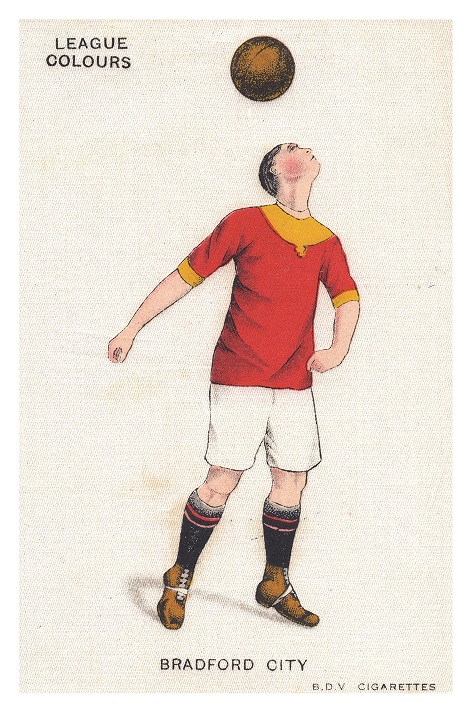
1909 BDV silk featuring ‘bantams’ inspired yoke shirt   The yoke shirt was introduced in 1909 and famously worn in the FA Cup final of 1911. It was used during the 1920s and arguably became recognised as the club’s signature strip. It was reintroduced in January, 1949 by the newly formed Bradford City Shareholders’ and Supporters’ Association as a rallying call to revive the fortunes of the club – at that time struggling at the bottom of Division Three (North). I’d be all in favour of such a heritage shirt being revived in 2019 for similar purposes.

John Dewhirst

The drop down menu above provides links to previous programme articles, archive images, book reviews and features on the history of Bradford sport that I have written. Lots of accessible, freely available history with the assurance of it being thoroughly researched!

dewhirst a history of bradford city in objects7582000201589702380..jpg

My book A HISTORY OF BCAFC IN OBJECTS (vol 1 in the BANTAMSPAST HISTORY REVISITED series) provides background about City memorabilia.

In issues of The Parader I feature objects that tell the history of the club. If you have a City artefact in your possession that you would like me to feature in the programme contact me at johnpdewhirst at gmail dot com or tweets @jpdewhirst

I have written widely about the history of sport in Bradford: Links to my features on the history of Bradford sport
Published on PLAYING PASTS in Feb-19: Football clubs and how they fail. (I am presenting a paper on the same theme at the International Football History Conference in Manchester in June, 2019.)

Updates to this site are tweeted: @jpdewhirst


==============================================================

Details here about the bantamspast History Revisited book series: BANTAMSPAST HISTORY REVISITED BOOKS

==============================================================

Discover more about Bradford football history at www.bradfordsporthistory.com